Receiving a cancer diagnosis shifts a family’s entire reality. As advanced medical protocols—ranging from targeted immunotherapies to oral chemotherapies—increasingly allow patients to undergo oncology treatments outside traditional hospital wards, the home has officially become the primary frontline of modern cancer care. While clinical advancements offer incredible convenience, managing cancer treatments at home introduces a heavy operational burden on patients and their family caregivers.
According to a comprehensive scoping review published in BMC Health Services Research, family and informal caregivers manage an estimated 70% to 80% of all cancer care duties in non-hospital settings. This transition creates what experts call “time toxicity”—where a patient’s remaining days are heavily consumed by the logistics of a healthcare facility. Non-medical home care agencies and professional caregivers step into this gap, transforming a chaotic household into a structured environment that fosters healing, compliance, and emotional well-being. [10 Questions You Must Ask When Interviewing In-Home Care Agencies in San Diego]
1. The Intersection of Clinical and Non-Medical Oncology Care
To understand how non-medical care supports an oncology patient, it is necessary to establish the boundary between clinical home health and private, non-medical personal care.
Clinical Home Health Care
This intermittent service must be prescribed by a physician and is typically delivered by Registered Nurses (RNs) or physical therapists. Clinical home health is task-focused and episodic, covering things like monitoring laboratory blood draws, maintaining central lines or chemo ports, and managing complex wound dressings.
Non-Medical Personal Home Care
Non-medical care is continuous and holistic, focusing entirely on a patient’s physical environment, daily functional independence, and emotional stability. Rather than visiting for an hour to change a dressing, a professional non-medical caregiver remains with the patient for extended shifts. They manage the daily lifestyle changes caused by harsh treatment side effects like severe fatigue, nausea, and cognitive fog.
By handling the physical demands of running a household, non-medical caregivers allow the patient to reserve their energy strictly for recovery, while simultaneously acting as an extra set of eyes and ears for the clinical team.
2. Managing Treatment Side Effects and ADL Support
Oncology treatments like chemotherapy, radiation, and surgical resections severely compromise a patient’s strength and functional capacity. Professional caregivers provide essential support with Activities of Daily Living (ADLs), tailoring their assistance to the specific side-effect profile of the patient’s current treatment phase.
                  [Oncology Treatment Side Effects]
                                 │
         ┌───────────────────────┼───────────────────────┐
         ▼                       ▼                       ▼
 [Severe Fatigue]        [Nausea & Cachexia]    [Peripheral Neuropathy]
         │                       │                       │
         ▼                       ▼                       ▼
   ADL Assistance,        Oncology Nutrition,     Fall Prevention,
Energy Conservation      Appetite Stimulation     Safe Mobility Support
Combating Treatment-Induced Fatigue
Chemotherapy-related fatigue is cumulative and cannot be resolved by simple rest. Simple actions like standing up to shower or getting dressed can exhaust a patient for an entire afternoon. Caregivers provide steadying assistance during transfers, manage safe bathing practices, and help the senior conserve physical energy for vital tasks, such as eating meals or walking to a medical transport vehicle.
Managing Peripheral Neuropathy and Fall Risks
Certain chemotherapeutic agents cause peripheral neuropathy—a painful numbness or tingling in the hands and feet. This nerve damage directly impairs a patient’s balance, dramatically increasing their risk of a dangerous fall inside the home. Caregivers proactively clear walking paths, assist with structural transfers, and ensure the senior utilizes prescribed mobility devices safely. [Fall Prevention: A Room-by-Room Home Safety Assessment]
Gentle Support for Hair Loss and Changing Needs
The physical transition of losing hair due to radiation or chemotherapy carries profound emotional and physical vulnerability. Caregivers provide sensitive, dignified assistance with scalp care, helping patients pick out comfortable head coverings, and assisting with skin care routines designed to soothe radiation-induced dermatitis.
3. Dietary Support and Specialized Oncology Nutrition
Maintaining proper nutrition is one of the most critical, yet frustratingly complex, elements of fighting cancer at home. Treatment side effects frequently include a metallic taste in the mouth (dysgeusia), painful mouth sores (mucositis), severe nausea, and a complete loss of appetite that can lead to cancer-related cachexia (wasting syndrome).
Organizations like the Scripps Health Oncology Nutrition Program emphasize that personalized dietary interventions are key to helping patients maintain their weight and preserve immune strength during active therapy. Non-medical caregivers provide vital, hands-on support to execute these exact clinical recommendations:
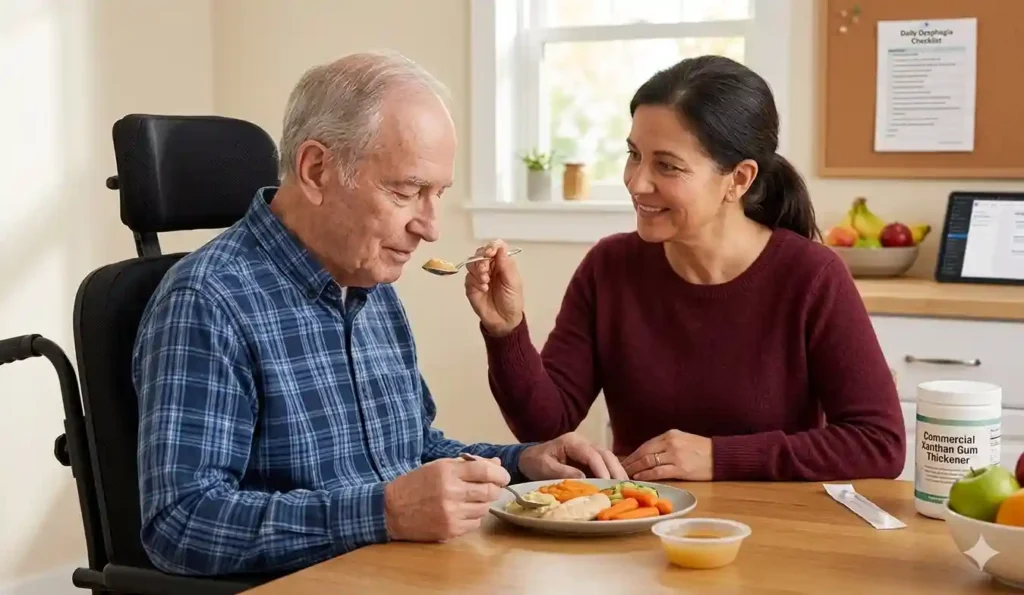
- Customized Meal Preparation: Caregivers prepare small, calorie-dense, nutrient-rich meals spaced throughout the day, adjusting flavors to counteract a patient’s specific taste aversions.
- Hydration Management: Dehydration is a leading cause of emergency room readmissions for chemotherapy patients. Caregivers track fluid intake meticulously, offering small sips of water, clear broths, or electrolyte solutions at regular intervals.
- Sanitary Food Handling: Because cancer treatments compromise a patient’s white blood cell count (causing neutropenia), caregivers practice strict food safety protocols to prevent foodborne bacterial infections. (Learn about senior nutrition.)
4. Medication Reminders and Symptom Tracking
While non-medical caregivers cannot legally administer medications, count out pills, or adjust dosages, their role in medication management is incredibly valuable. Modern oncology reliance on oral chemotherapy means patients must navigate highly precise, multi-drug regimens entirely on their own.
Routine Tracking and Compliance
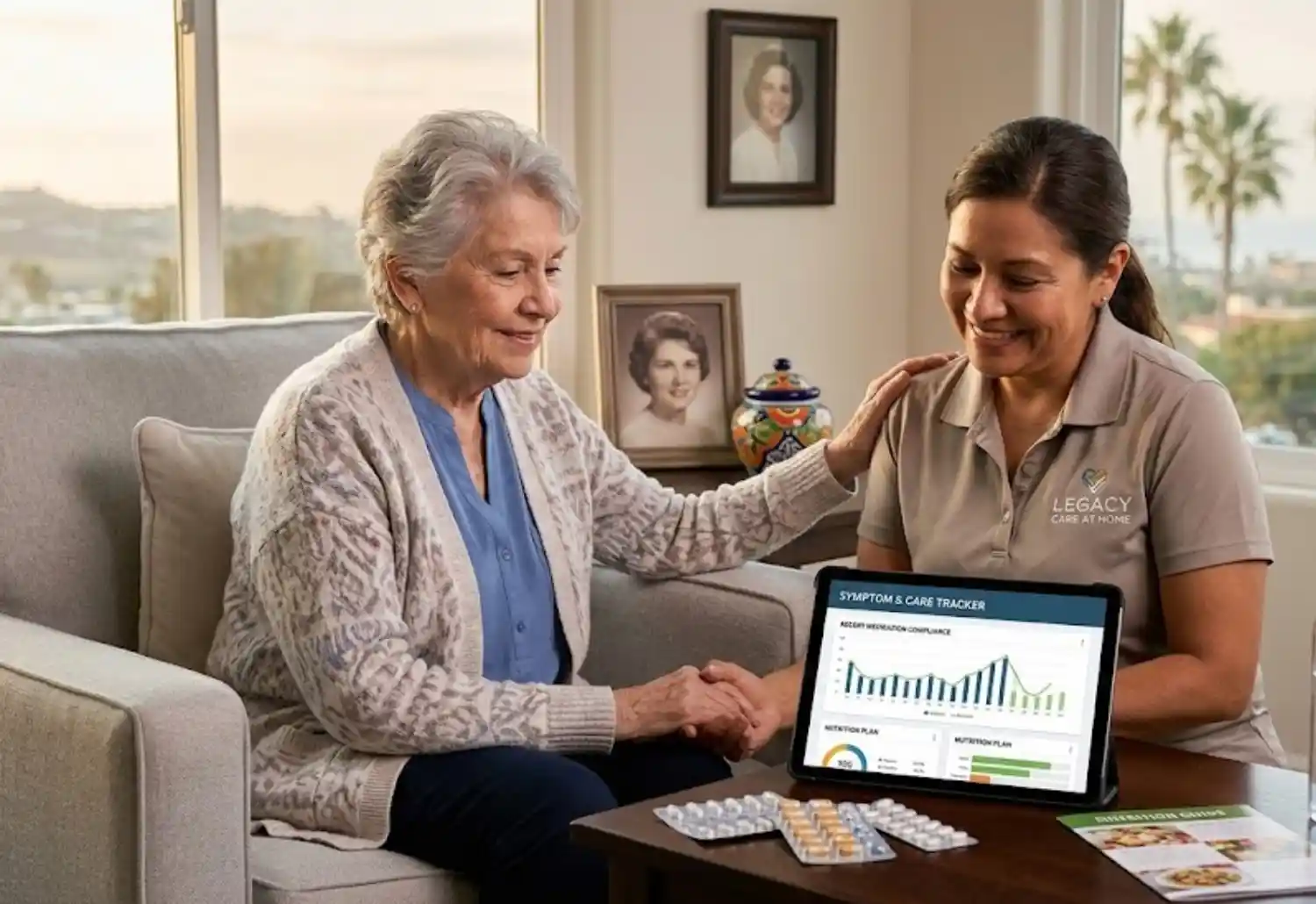
Missing a dose of an oral oncology drug or taking a breakthrough anti-nausea medication too late can result in a severe symptom flare-up that derails a patient’s treatment cycle. Caregivers provide reliable medication reminders, cross-reference daily logs, and ensure that prescriptions are taken exactly at the scheduled time with or without food as indicated.
Vital Symptom Logging
Caregivers maintain thorough, daily logs recording a patient’s temperature, fluid intake, pain levels, and bowel patterns. If a patient experiences a low-grade fever—which can indicate a life-threatening neutropenic infection—or severe, unmanaged nausea, the caregiver can immediately alert family members to contact the oncologist before the situation becomes an emergency.
5. Alleviating Family Caregiver Burnout
When a loved one is diagnosed with cancer, family members instinctively step into the role of primary caregiver. However, the prolonged, 24-hour nature of managing advanced cancer quickly takes a profound psychological and physical toll.
According to a dedicated oncology caregiving study spotlighted by Blood Cancer United, informal caregivers who do not receive structural help suffer an elevated risk of clinical depression and exhaustion, which can ultimately impact patient outcomes.
Professional non-medical care provides essential respite care. Whether it is an 8-hour daily shift or overnight supervision, professional backup allows family members to step away safely, return to their careers, attend to their personal health, or simply rest—knowing that their loved one is under the watchful eye of a vetted professional.
6. Accessing Local San Diego Cancer Support Networks
San Diego is home to world-class cancer centers and comprehensive community advocacy organizations built to wrap families in support during active treatments.
- UC San Diego Health Moores Cancer Center: As an NCI-designated Comprehensive Cancer Center, Moores provides a robust calendar of free support groups, classes, and wellness workshops to help patients and families process the emotional and practical hurdles of treatment.
- Sharp HealthCare Patient Resources: Sharp provides extensive community resource coordination, including specialized oncology social work counseling and dedicated financial navigation services across San Diego County.
- CanCare San Diego: For families seeking deep peer connection, the CanCare San Diego Network pairs individuals and family caregivers one-on-one with trained volunteers who are cancer survivors themselves.
- National Institutes of Health (NIH) Research: To learn more about how caregiver interventions directly minimize long-term psychological distress and improve pain management in the home setting, families can explore peer-reviewed data via the National Center for Biotechnology Information.
By introducing non-medical care into an oncology patient’s home environment, families can successfully combat the physical, nutritional, and emotional vulnerabilities of active cancer treatment. This collaboration ensures that the senior’s home remains what it was always meant to be: a private sanctuary of comfort, dignity, and recovery.