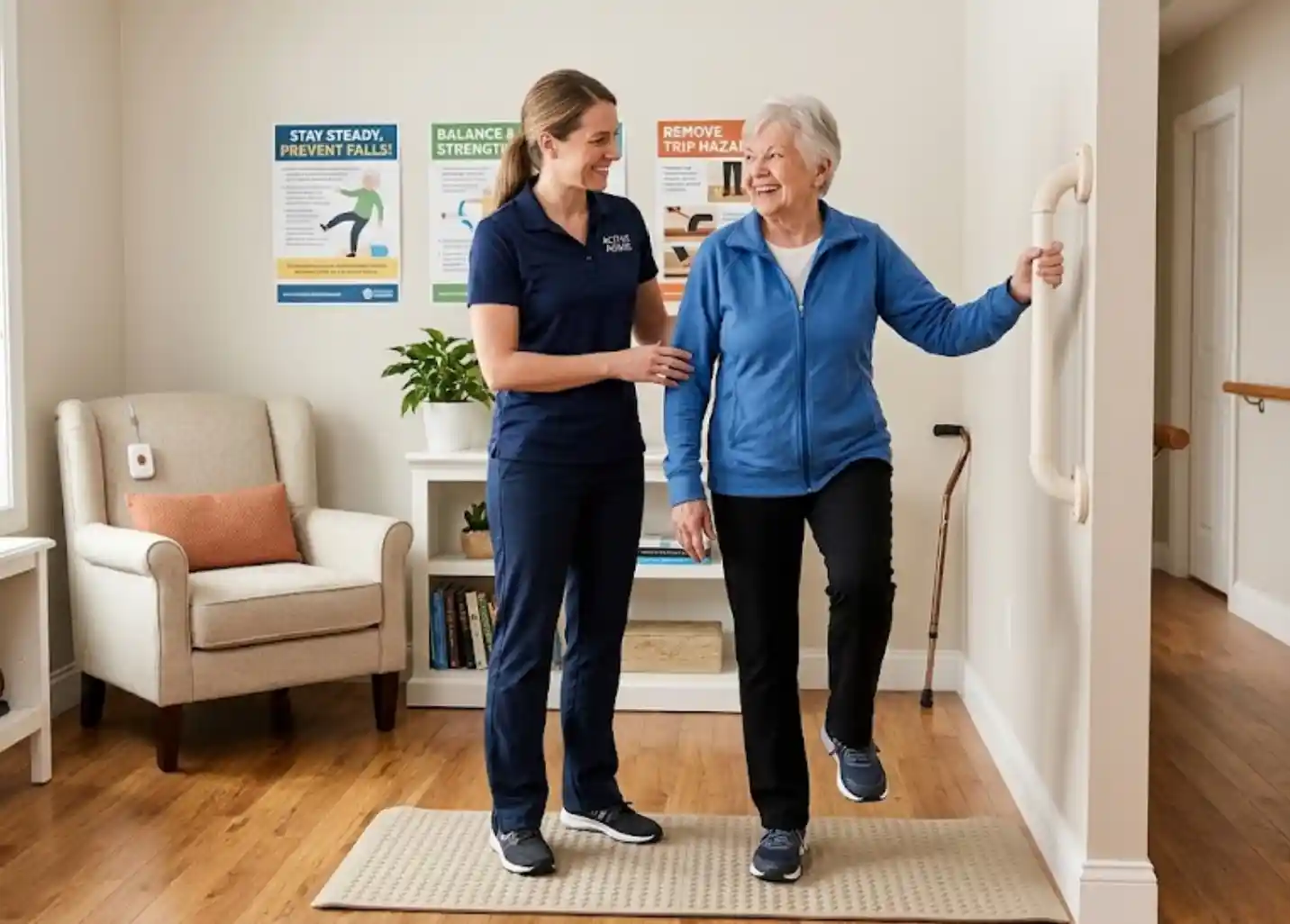
For seniors, maintaining independence and aging in place comfortably is a primary goal. However, one of the greatest threats to a senior’s autonomy and physical well-being is the hidden danger lurking right within their own living space. Falls are the leading cause of injury-related hospitalizations among older adults, often leading to a challenging cycle of emergency room visits, medical complications, and a loss of personal confidence.
While many family members assume that falls are an inevitable consequence of aging, the truth is that the majority of falls are entirely preventable. By taking a proactive approach and conducting a detailed, room-by-room home safety assessment, you can identify hidden environmental hazards and implement modifications that dramatically reduce fall risks.
This comprehensive guide serves as an authoritative playbook for adult children, spouses, and family caregivers. It breaks down the physics of home safety, outlines a systematic room-by-room audit, and provides practical solutions to transform any standard house into a secure, fall-resistant environment.
The True Cost of Senior Falls
Before diving into the physical modifications of a home, it is vital to understand why fall prevention is such a critical component of elder care. A fall is rarely just a temporary physical mishap; it can trigger a domino effect that impacts a senior’s long-term health trajectory.
According to research shared by the Centers for Disease Control and Prevention (CDC), millions of older adults fall each year, resulting in fractures, head injuries, and immense emotional distress. The fear of falling itself can cause seniors to restrict their physical activities, leading to muscle wasting, decreased joint mobility, and a further increase in actual fall risk.
When a senior experiences a severe fall, the immediate consequence is often an emergency hospital admission followed by a stay at a skilled nursing facility. Breaking this cycle requires a safe physical environment at home.
If your family is currently navigating the stressful period immediately following a hospital discharge, reviewing a guide on Preventing Hospital Readmissions: How Caregiving Breaks the ‘Rehab-to-ER’ Cycle can help you coordinate a safe transition and understand how professional oversight prevents a secondary fall during recovery.
Room 1: The Living Room and Common Hallways
The living room is the social heart of the home, but its high traffic levels and multi-functional nature make it a prime location for environmental trip hazards.
Clearance and Pathways
Clear, unobstructed walking paths are essential for seniors, particularly those using mobility aids like walkers or canes.
- The 36-Inch Rule: Ensure that all major pathways through the living room and hallways are at least 36 inches wide. This provides ample clearance for a standard walker or wheelchair to maneuver without catching on furniture edges.
- Furniture Stability: Rearrange or replace lightweight coffee tables, end tables, or plant stands. Seniors often instinctively reach out to furniture for balance while walking across a room. If an end table is unstable or on wheels, it will tip over under their weight, causing a severe fall. Choose heavy, solid wood or metal furniture that can support an adult’s weight if leaned upon.
- Low-Profile Seating: Sofas and chairs that sit too low to the ground or feature overly soft cushions make it incredibly difficult for an older adult to stand up safely. This physical strain can cause a sudden drop in blood pressure or loss of balance upon rising. Opt for firm armchairs with an ideal seat height of 18 to 20 inches, allowing the feet to rest flat on the floor while standing up.
Floor Coverings and Area Rugs
Area rugs are one of the single most common culprits behind senior emergency room visits.
- Eliminate Throw Rugs: The ideal choice for a senior-friendly home is to remove all small accent rugs and throw rugs entirely. An older adult’s gait often changes, resulting in a shuffling step that easily catches on the raised lip of a rug.
- Secure Essential Carpeting: If an area rug must stay for structural or comfort reasons, it must be firmly secured to the subfloor. Use heavy-duty, double-sided carpet tape or non-slip rubberized underlays across the entire surface area of the rug, ensuring the edges are completely flush with the surrounding floor.
Room 2: The Bathroom (The Highest Risk Zone)
Statistically, the bathroom is the most dangerous room in the entire house. The combination of slick tile surfaces, wet floors, soap film, and the physical transitions required for bathing creates a high-risk environment for slips and falls.
Shower and Tub Safety
Stepping over the high wall of a traditional bathtub requires significant single-leg balance and strength—two physical attributes that naturally decline with age.
- Install Grab Bars: Towel racks and soap dishes are never designed to support human weight. Install heavy-duty, wall-mounted grab bars directly into the wall studs surrounding the tub and shower. A vertical grab bar should be placed at the entry point of the shower, and a horizontal bar should be installed along the side wall.
- Utilize Shower Chairs: For seniors with low stamina or balance issues, standing in a slippery shower is an immediate risk. A high-quality, slip-resistant shower chair allows them to remain seated safely while washing. Combine this with a handheld showerhead so they can direct the water flow without needing to stand up or twist their torso awkwardly.
- Non-Slip Finishes: The floor of the tub or shower must feature a textured surface. Install heavy-duty adhesive non-slip strips or a full-coverage rubber bath mat with secure suction cups.
Toilet Modifications
Standard toilets sit relatively low to the ground, requiring significant quad strength to sit and stand.
- Raised Toilet Seats: Installing a raised toilet seat increases the height by 4 to 6 inches, significantly reducing the physical strain on the knees and hips.
- Toilet Safety Frames: A standalone safety frame provides secure armrests on both sides of the toilet, giving the senior steady leverage to push themselves upward safely.
If you are beginning to notice your loved one struggling with these personal hygiene tasks, it may be a sign that environmental adjustments alone are no longer sufficient. Reviewing the 7 Signs Your Loved One Needs In-Home Care can help you evaluate if it is time to pair your home safety modifications with professional personal care assistance.
Room 3: The Bedroom
Seniors spend a third of their day in the bedroom, and many falls occur during the night or early morning hours when cognitive awareness is low and lighting is minimal.
Bed Height and Accessibility
- The Optimal Mattress Height: When a senior sits on the edge of the mattress, their knees should form a perfect 90-degree angle, and their feet must rest completely flat on the floor. If the bed is too high, their legs will dangle, causing them to slide forward off balance. If it is too low, they will struggle to stand. You can adjust the height by changing the box spring profile or utilizing adjustable bed frame risers.
- Bed Rails: For individuals prone to rolling or those who need physical leverage to shift positions in bed, installing a low-profile bedside safety rail provides a secure handhold and prevents accidental falls out of bed.
Nighttime Lighting Solutions
Waking up in complete darkness to use the restroom is a major fall hazard, particularly for seniors dealing with nocturia or the cognitive effects of dementia.
- Motion-Activated Nightlights: Install smart, motion-activated LED nightlights along the exact path from the bed to the bathroom. These lights should illuminate automatically the moment the senior’s feet touch the floor.
- Clear Bedside Tables: Keep the bedside table completely organized. It should hold only essential items: a stable lamp, a glass of water, vital nighttime medications, and a working telephone or emergency alert device. Ensure that all electrical cords are tucked safely behind the furniture piece and away from the footpaths.
Room 4: The Kitchen
The kitchen requires significant reaching, bending, and carrying, all of which shift a senior’s center of gravity and increase the risk of a fall.
Storage Optimization
- The Comfort Zone: Rearrange all cabinets so that frequently used dishes, pots, pans, and pantry items are stored between waist and eye level. This eliminates the need for the senior to bend down low or reach up high above their head.
- Ban Step Stools: Eliminate the use of step stools or chairs to reach high shelves. If an item cannot be reached comfortably while standing flat on the floor, it should be relocated to a lower storage space.
- Organized Drawers: Install pull-out rolling shelves inside deep lower cabinets. This allows the senior to pull the shelf outward to access items easily without having to crouch down or crawl into the cabinet space.
Spills and Flooring
- Immediate Cleanup: Kitchen floors are frequently smooth tile or linoleum, which become slick when wet. Keep a microfiber mop or absorbent towels readily accessible to clean up any water or grease spills immediately.
- Anti-Fatigue Mats: Place non-slip, low-profile anti-fatigue mats in front of the sink and stove area to provide comfort and secure traction while standing for extended periods.
Room 5: Stairways and Entrances
Stairways are the location of the most severe, high-impact falls within a residential property. Modifying these structural areas must be a high priority for any home safety update.
Stairway Security
- Dual Handrails: A single handrail is insufficient. Stairways should feature continuous handrails on both sides of the stairs, extending slightly past the top and bottom steps. Ensure these rails are bolted directly into the structural wall studs and can support significant weight.
- High-Contrast Steps: Aging eyes often struggle with depth perception, making it difficult to see where one step ends and the next begins. Apply a strip of high-contrast, colored non-slip tape along the edge of every single step to visually define the boundaries clearly.
- Flawless Illumination: Light switches must be located at both the absolute top and bottom of the stairs. Ensure the bulbs are bright and eliminate any shadows along the entire length of the staircase.
Exterior Entrances
- Ramps and Thresholds: Eliminate high thresholds at the front and back doors. If stepping up into the house is difficult, consider installing a modular aluminum ramp with a non-slip textured finish.
- Clear Walkways: Keep exterior walkways, porches, and driveways completely free of leaves, moss, electrical cords, or garden hoses. Ensure that outdoor entryways are brightly lit with motion-sensor floodlights for safe arrivals after dark.
The Human Factor: Advanced Health Variables
While adjusting your physical property is a massive leap forward in safety, a home assessment must also account for the changing physical and cognitive health of the senior living within it. For instance, progressive neurological conditions alter an individual’s gait, spatial awareness, and balance structures entirely.
When managing complex diagnoses, understanding how to pair environmental safety with specialized, hands-on clinical tracking is vital. Incorporating an agency that focuses on specialized care profiles, such as In-Home Care for Parkinson’s and Movement Disorders, ensures that your loved one has both a safe physical environment and a trained professional who knows how to mitigate the unique freezing gaits and balance challenges associated with movement disorders.
Technical Resources and Authority Links
For deeper insights into senior safety, medical guidelines, and formal home modification frameworks, consult these professional organizations and government agencies:
- Download the comprehensive “STEADI” fall prevention toolkit provided by the Centers for Disease Control and Prevention (CDC).
- Learn about healthy aging practices and physical balance exercises from the National Institute on Aging (NIA).
- Review occupational safety recommendations for home modification via the American Occupational Therapy Association (AOTA).
- Discover local community fall prevention programs through the National Council on Aging (NCOA).
- Review official guidelines on accessibility modifications from the U.S. Access Board.
- Research the long-term health impacts of injuries via the World Health Organization (WHO) Aging Sheets.
- Study structural home modification programs funded through the Administration for Community Living (ACL).
- Find accredited home safety inspectors through the National Association of Home Builders (NAHB) CAPS Program.
- Explore assistive technology devices evaluated by the Family Caregiver Alliance (FCA).
- Read clinical studies on vision health and balance tracking via the American Academy of Ophthalmology (AAO).
Implementing Your Fall Prevention Strategy
Transforming a home into a safe environment is a sequential process that requires careful planning, intentional modifications, and regular updates. By moving through the home room-by-room, identifying hidden trip hazards, securing floor coverings, installing high-quality grab bars, and optimizing lighting arrays, you protect your loved one’s physical safety and provide your entire family with long-term peace of mind.
Taking these proactive measures helps ensure that your aging parent or relative can continue to enjoy the comfort, dignity, and independence of their own home for years to come.