Managing incontinence in an older adult or family member at home is one of the most personal, sensitive, and emotionally challenging aspects of family caregiving. Whether stemming from age-related changes, neurological conditions, mobility limitations, or acute medical issues, urinary or fecal incontinence impacts an individual’s self-esteem, comfort, and independence.
For family caregivers, establishing an effective home management system reduces physical strain, prevents secondary skin breakdown, mitigates fall hazards, and preserves the senior’s personal dignity. Incontinence is a manageable health condition, not an inevitable failure of aging. With structured hygiene routines, environmental adaptations, suitable containment products, and empathetic communication, families can navigate incontinence care effectively.
Understanding Incontinence in Seniors: Types and Underlying Causes
Effective incontinence management begins with identifying the specific underlying cause. Incontinence manifests in several clinical forms, each requiring distinct environmental and behavioral interventions.
Common Types of Urinary Incontinence
- Stress Incontinence: Involuntary urine leakage caused by sudden physical pressure on the bladder, such as coughing, sneezing, laughing, lifting, or exercising. It typically results from weakened pelvic floor muscles or urethral sphincter dysfunction.
- Urge Incontinence (Overactive Bladder): A sudden, intense desire to urinate, followed immediately by an involuntary loss of urine. The bladder muscle contracts unexpectedly, often triggered by minor sensory cues like running water or unlocking the front door.
- Overflow Incontinence: Frequent or constant dribbling of urine caused by a bladder that fails to empty completely. This can stem from bladder muscle weakness, nerve damage from diabetes, or urinary tract obstructions such as an enlarged prostate (benign prostatic hyperplasia).
- Functional Incontinence: Occurs when physical mobility limitations, severe arthritis, poor vision, or cognitive impairment (such as Alzheimer’s disease or vascular dementia) prevent an individual from reaching the bathroom in time, despite having normal bladder control mechanism. [A Daily Routine for Seniors with Dementia: Reducing Anxiety and Sundowning]
- Mixed Incontinence: A combination of two or more types of incontinence, most commonly stress and urge incontinence occurring simultaneously.
Identifying Reversible and Medical Triggers
Before assuming incontinence is a permanent chronic condition, caregivers should ensure a medical evaluation is performed to rule out reversible causes. Transient incontinence can be triggered by:
- Urinary Tract Infections (UTIs): A primary cause of sudden, acute incontinence in older adults, often accompanied by confusion, low-grade fever, or behavioral changes. To learn more about identifying acute infections versus cognitive decline, read our guide on Sudden Confusion in Seniors: Is It Dementia or a Urinary Tract Infection (UTI)?.
- Medication Side Effects: Diuretics, antihypertensives, sedatives, muscle relaxants, and anticholinergic drugs can alter bladder tone, increase urine production, or impair awareness.
- Constipation and Fecal Impaction: Hardened stool in the rectum presses directly against the bladder, reducing its capacity and preventing complete emptying.
- Mobility Restrictions: Physical impairment following a stroke, joint surgery, or Parkinson’s disease can delay transfer times. For insights on managing care during movement disorders, review our resource on Parkinson’s Disease Home Care Guide: Managing Motor and Non-Motor Symptoms.
Preserving Personal Dignity and Addressing Emotional Impacts
The loss of bladder or bowel control often triggers profound feelings of shame, anxiety, depression, and self-isolation in older adults. Seniors may actively hide accidents, restrict fluid intake dangerously, or refuse to leave home out of fear of public humiliation.
Empathy-Centered Communication Strategies
- Depersonalize the Issue: Frame incontinence as a medical condition involving the body’s muscular or nervous system—similar to high blood pressure or arthritis—rather than a personal shortcoming or behavioral issue.
- Avoid Infantizing Language: Never refer to incontinence products as “diapers” or care routines as “changing time.” Use respectful adult terminology such as “briefs,” “absorbent underwear,” “protective garments,” or “hygiene care.”
- Maintain Privacy: Keep care supplies, cleansing wipes, and disposal units discrete. Close bedroom doors and window blinds during hygiene routines, and avoid discussing incontinence care in front of other family members or visitors.
- Respond to Accidents Calmly: If an accident occurs, remain calm, reassuring, and matter-of-fact. Matter-of-fact statements like “Accidents happen to everyone; let’s get you cleaned up and comfortable so we can enjoy the afternoon” reduce embarrassment and prevent defensive behavior.
Caregiving takes a cumulative emotional toll on family members as well. To explore coping strategies and emotional support resources, consult our article on The Emotional Impacts of Caregiving on Family Caregivers.
Skin Health: Preventing Incontinence-Associated Dermatitis (IAD) and Pressure Injuries
Continuous exposure to moisture, digestive enzymes, and bacteria from urine and stool rapidly breaks down the skin’s protective lipid barrier. This leads to Incontinence-Associated Dermatitis (IAD), characterized by redness, inflammation, burning, and severe skin irritation. Left unchecked, IAD significantly increases the risk of secondary bacterial/fungal infections and painful pressure ulcers (bedsores).
The Four-Step Skin Integrity Protocol
- Prompt Cleansing: Cleanse the skin immediately following an episode of incontinence. Avoid harsh, scented bar soaps that strip natural skin oils. Use pH-balanced, no-rinse perineal cleansers specifically formulated to neutralize ammonia and fecal enzymes.
- Gentle Technique: Use soft, disposable wipes or cotton washcloths. Gently wipe from front to back to prevent urethral contamination. Pat the skin dry using soft towels rather than rubbing forcefully, which causes micro-tears in fragile skin.
- Moisturizing and Barrier Application: Apply a durable barrier cream or ointment containing zinc oxide, dimethicone, or petrolatum to clean, dry skin. Moisture barriers create a protective shield that repels bodily fluids and minimizes skin irritation.
- Regular Skin Inspections: Inspect the sacrum, buttocks, groin folds, and inner thighs daily during routine hygiene care. Look for persistent redness, skin peeling, open sores, or signs of fungal infections (such as raised red rashes with satellite lesions).
Selecting the Right Incontinence Products and Supplies
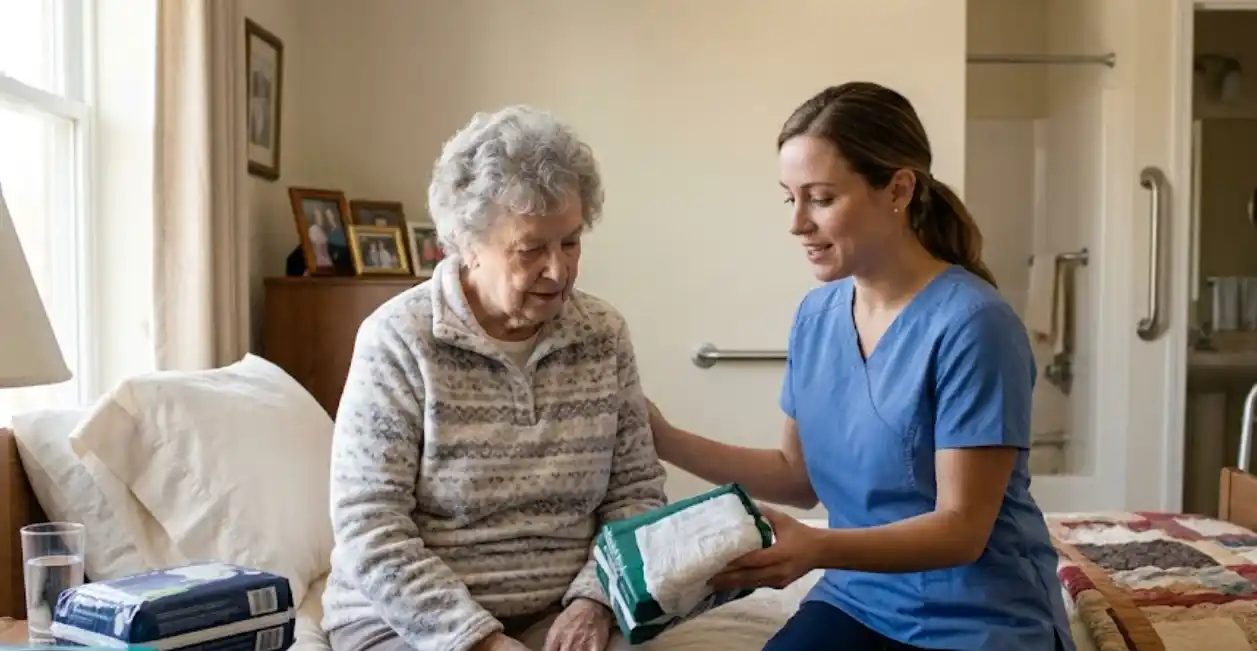
Using appropriate, properly fitted incontinence supplies is essential for containment, skin health, odor control, and comfort. Using improperly fitted products or layering multiple pads can cause skin chafing, pressure points, and leaks.
Product Selection Guide
| Product Category | Best Suited For | Key Features & Advantages |
| Pads & Guards | Light to moderate stress or urge incontinence | Adhesive strips secure pads inside regular underwear; discrete profile suitable for active individuals. |
| Pull-Up Absorbent Underwear | Moderate to heavy urinary incontinence; ambulatory seniors | Worn like regular underwear; encourages self-care and independence; tear-away side seams simplify removal. |
| Briefs with Side Tabs (Adult Briefs) | Heavy to severe urinary/fecal incontinence; bedbound or non-ambulatory individuals | Adjustable refastenable tabs allow easy changing without removing pants; maximum fluid capacity and leak guards. |
| Underpads (Chux) | Bed protection, chair cushions, vehicle seating | Waterproof backing with absorbent core; available in disposable or washable, reusable cloth configurations. |
| Perineal Barrier Creams | Daily skin protection for all levels of incontinence | Formulated with zinc oxide or petrolatum to protect skin from moisture and friction. |
Selecting the Proper Size and Absorbency
Absorbency is controlled by super-absorbent polymer (SAP) technology inside the garment, not by the physical size of the product. Purchasing a larger size than necessary will result in gaps around the leg cuffs, leading to leaks rather than increased protection. Always measure the individual’s waist and hips accurately according to the manufacturer’s sizing charts.
Environmental and Behavioral Home Modifications
Strategic modifications to the home environment simplify toilet access, reduce functional incontinence, and lower fall risks—particularly during nighttime visits to the bathroom.
Bathroom Accessibility and Safety Upgrades
- Install Grab Bars: Place ADA-compliant grab bars securely on stud walls beside the toilet and inside shower enclosures to assist with safe transfers.
- Raised Toilet Seats: Install an elevated toilet seat with padded armrests to reduce the physical effort required to sit down and stand up.
- Unobstructed Pathways: Ensure hallways and bathroom pathways are free of clutter, loose throw rugs, trailing electrical cords, and furniture obstacles.
- Enhanced Lighting: Install bright, glare-free LED lighting and motion-activated nightlights along the path from the bed to the bathroom.
For comprehensive steps on evaluating and upgrading home safety, consult our checklist on How to Prevent Falls at Home: A Room-by-Room Senior Safety Checklist[cite: 3].
Scheduled Toileting and Bladder Retraining
- Prompted Voiding: Establish a routine schedule for taking the senior to the bathroom every two hours during awake hours, regardless of whether they express the need to urinate. This lowers the volume of urine in the bladder and reduces incontinence episodes.
- Fluid Management: Maintain adequate hydration throughout the day. Restricting fluid intake causes concentrated urine, which irritates the bladder lining and increases spasms and urge incontinence. Limit fluid intake 2 to 3 hours before bedtime to reduce nighttime awakenings (nocturia).
- Dietary Adjustments: Reduce or eliminate bladder irritants such as caffeine, carbonated beverages, alcohol, artificial sweeteners, acidic citrus fruits, and spicy foods.
10 Trusted External Resources on Incontinence and Senior Care
For additional educational materials, research updates, and clinical support on managing incontinence, explore these reliable national organizations:
- National Institute on Aging (NIA) – Urinary Incontinence Information: Comprehensive health guides detailing the medical causes, diagnostic pathways, and treatment options for age-related bladder issues. Access information via the National Institute on Aging Incontinence Guide.
- National Association for Continence (NAFC): Dedicated resource hub providing consumer education, product selection tools, expert articles, and caregiver support networks. Explore tools at the National Association for Continence Portal.
- Urology Care Foundation: The official foundation of the American Urological Association, offering peer-reviewed patient guides on bladder health, overactive bladder, and male/female incontinence. Learn more through the Urology Care Foundation Bladder Health Center.
- Mayo Clinic Incontinence Care Hub: Expert medical overviews of incontinence symptoms, pelvic floor exercises, surgical treatments, and practical home care tips. Access articles at the Mayo Clinic Urinary Incontinence Guide.
- Wound, Ostomy and Continence Nurses Society (WOCN): Professional clinical association offering evidence-based guidelines on skin protection, barrier cream application, and IAD prevention. View guidelines on the WOCN Society Patient Resources.
- Alzheimer’s Association – Incontinence & Dementia Care: Specialized care strategies for managing incontinence in individuals experiencing progressive memory loss and cognitive decline. Read strategies at the Alzheimer’s Association Incontinence Resource.
- Family Caregiver Alliance (FCA): Practical training materials, webinars, and self-care resources for family members providing hands-on personal hygiene assistance. Access tools through the Family Caregiver Alliance Caregiver Center.
- MedlinePlus (U.S. National Library of Medicine): Reliable medical summaries, diagnostic test explanations, and prescription drug side-effect profiles related to bladder control. Explore health topics at the MedlinePlus Urinary Incontinence Hub.
- Parkinson’s Foundation – Autonomic & Bladder Symptoms: Specialized information on how movement disorders affect autonomic nerve function, leading to bladder and bowel management challenges. Review guides via the Parkinson’s Foundation Neuro-Urology Guide.
- Simon Foundation for Continence: Educational organization offering advocacy resources, educational videos, and support communities aimed at ending the stigma surrounding incontinence. Discover resources at the Simon Foundation for Continence Portal.
Establishing Sustainable Incontinence Management at Home
Managing incontinence at home requires a balanced combination of medical evaluation, gentle skin care, appropriate hygiene products, environmental adaptations, and empathetic emotional support. By treating incontinence as a manageable physical health issue, family caregivers can safeguard their loved one’s dignity, physical comfort, and quality of life while maintaining a clean, secure home environment.