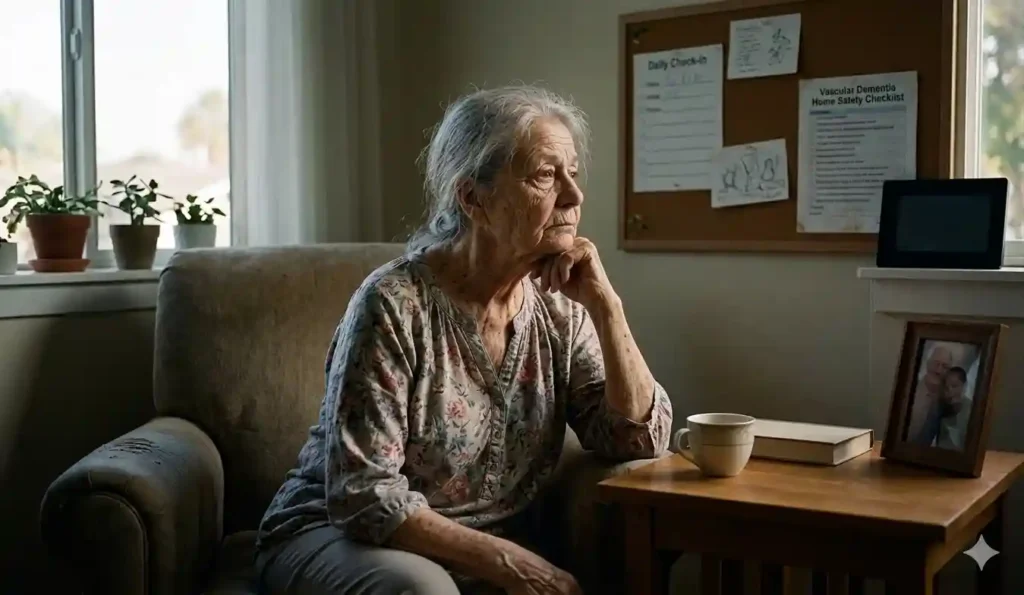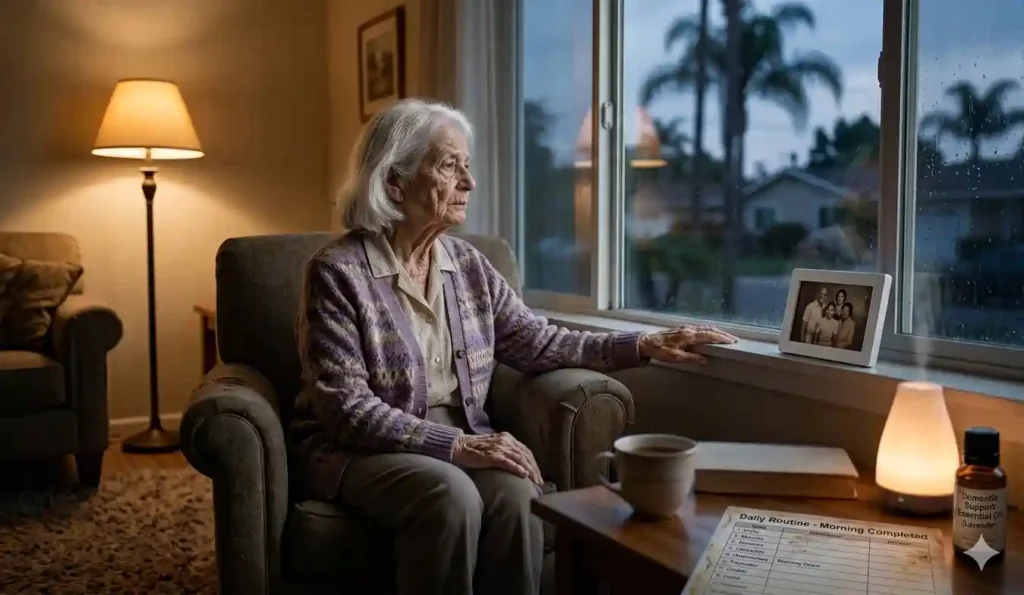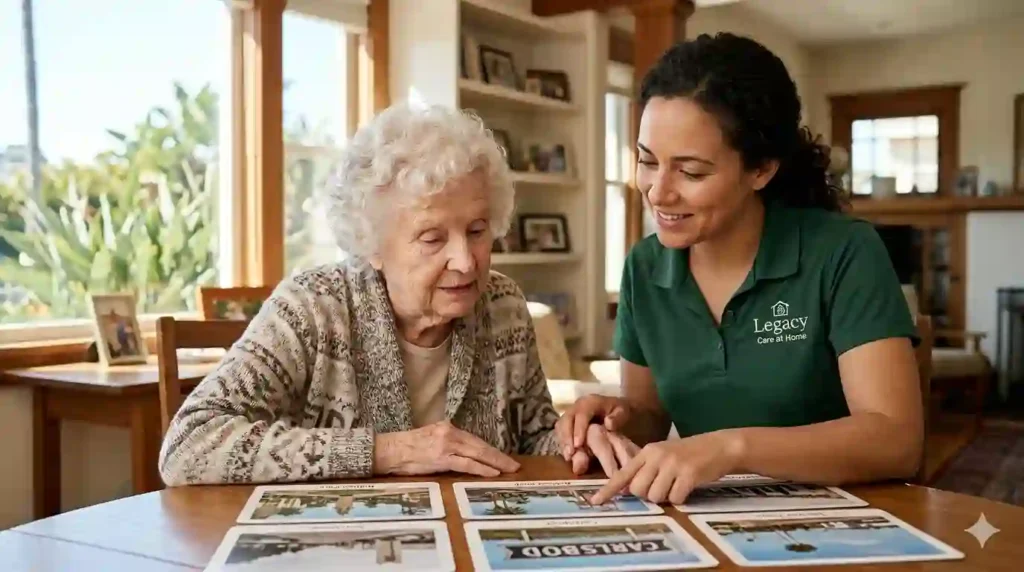
Caring for a loved one with Alzheimer’s disease or another form of progressive dementia is one of the most deeply meaningful, yet emotionally exhausting, responsibilities a family member can take on. Among the most challenging behavioral shifts associated with cognitive decline are heightened generalized anxiety and “sundowning”—a phenomenon characterized by increased confusion, agitation, pacing, and distress that typically begins in the late afternoon and stretches into the evening.
When neural pathways degrade, the brain loses its ability to interpret environmental cues smoothly, manage sensory input, and process changes in light or routine. What feels like a simple shift from afternoon to evening to a neurotypical adult can trigger profound panic in a senior with cognitive impairment.
Fortunately, structure acts as an external framework for a failing memory. Establishing an intentional, sensory-calming daily routine provides a predictable rhythm that stabilizes the nervous system, minimizes environmental triggers, and drastically mitigates late-day behavioral distress.
Understanding Anxiety and Sundowning in Dementia
To manage late-afternoon behavioral changes effectively, caregivers must first understand why they occur. Sundowning is not a deliberate behavioral choice; it is a neurological reaction to a confluence of physical, physiological, and environmental stressors.
The Neurobiology of Sundowning
The human body operates on a 24-hour internal clock known as the circadian rhythm, regulated primarily by the suprachiasmatic nucleus (SCN) in the hypothalamus. In individuals with Alzheimer’s disease or vascular dementia, the SCN frequently undergoes degenerative changes. This damage disrupts sleep-wake cycles, body temperature regulation, and hormone secretion—specifically melatonin and cortisol.
As daylight fades, the damaged biological clock struggles to adjust. Reduced ambient light creates shadows and visual distortion, which the brain misinterprets as threats. Combined with accumulated physical fatigue from the day, this internal disruption manifests as:
- Pacing, shadowing (following the caregiver closely), or wandering
- Repetitive questioning, emotional outbursts, or vocal venting
- Delusions (e.g., insisting it is time to “go home” or “go to work”)
- Physical restlessness, resistance to evening care, or sleep disturbances
According to research published by the National Institute on Aging (NIA), proper management of daily schedules, lighting environments, and sleep hygiene plays a direct role in softening these evening spikes in distress.
Principles of a Dementia-Friendly Daily Routine
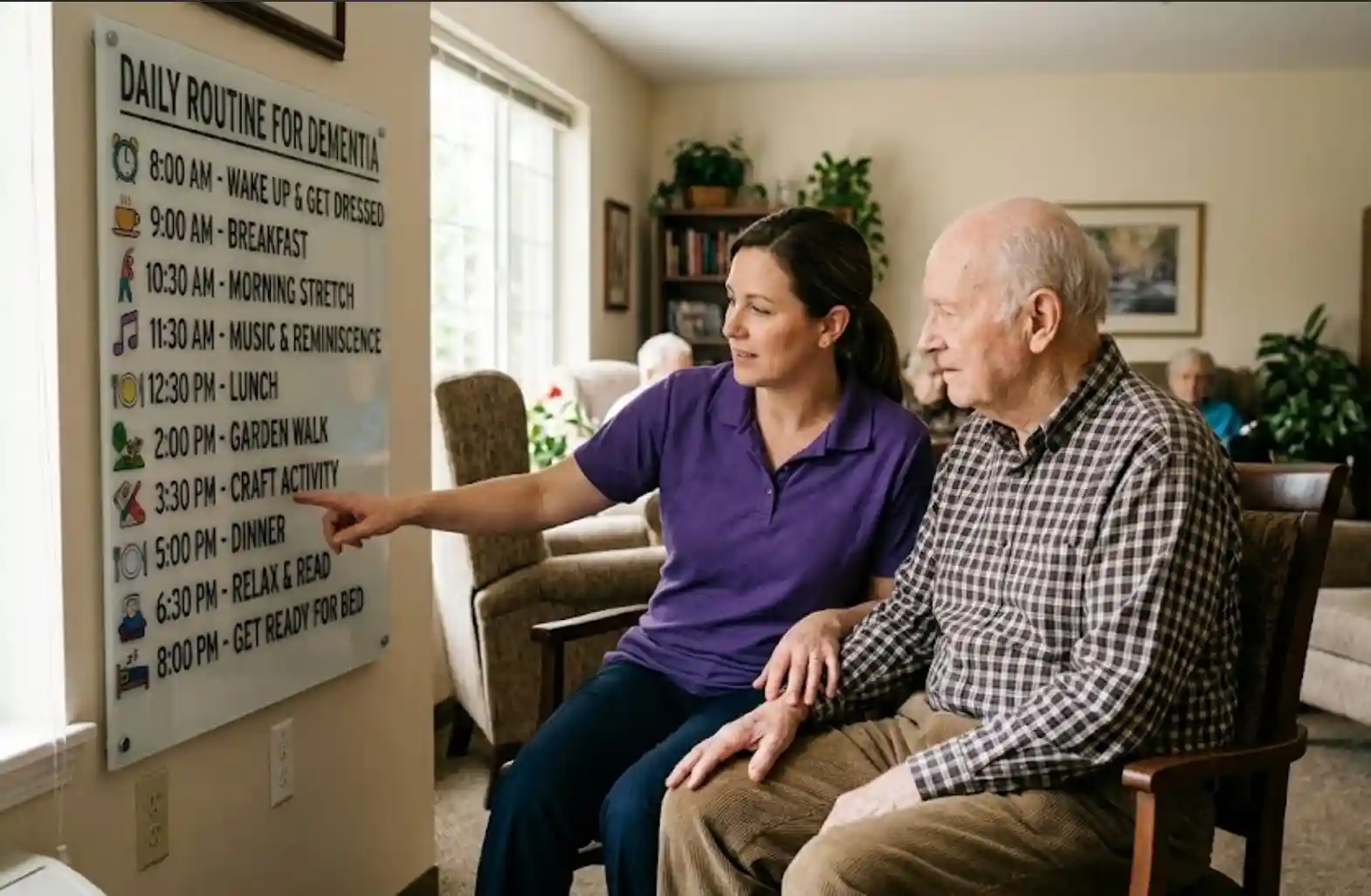
A successful routine is not a rigid timetable enforced with military precision. Rather, it is a flowing, predictable rhythm designed to support emotional security, reduce cognitive fatigue, and regulate circadian signals.
1. Anchor Points vs. Flexibility
Build the day around three to four consistent “anchor points”—fixed events such as wake-up time, lunch, late-afternoon transition, and bedtime. The spaces between these anchors should remain flexible, allowing you to adjust activities based on your loved one’s energy levels, pain status, or mood on any given day.
2. Energy Curve Alignment
Cognitive stamina peaks in the morning for most individuals with dementia. High-focus tasks—such as bathing, doctor visits, or exercise—should occur early in the day. The afternoon should focus on low-stimulation, calming pursuits that allow the brain to decompress before dusk.
3. Sensory Load Management
Sensory overload directly triggers anxiety. High noise levels, flashing television screens, bright fluorescent lighting, or bustling household activity tax a delicate nervous system. Maintaining a controlled sensory atmosphere keeps anxiety levels below the threshold where sundowning takes root.
Step-by-Step Daily Schedule to Reduce Anxiety and Sundowning
Morning: Awakening & Circadian Anchoring (7:30 AM – 10:30 AM)
The morning routine sets the internal clock for the next 24 hours. Early exposure to natural light signals the brain to suppress melatonin and begin producing daytime neurochemicals.
Step 1: Gentle Awakening and Natural Light (7:30 AM – 8:30 AM)
- Open the Curtains: Immediately open blinds and curtains to flood the living space with sunlight. Natural morning light exposure helps reset the circadian clock, which directly impacts evening sleep quality and reduces sundowning severity.
- Hydration First: Offer a glass of room-temperature water or diluted fruit juice. Mild dehydration over the night exacerbates morning confusion and physical stiffness.
- Unhurried Grooming: Keep morning hygiene relaxed. Avoid rushing, as feeling hurried triggers immediate anxiety. Break dressing down into simple steps—offer choices between two outfits rather than an open closet.
Step 2: Nutritious Breakfast & Morning Movement (8:30 AM – 10:30 AM)
- Protein-Balanced Breakfast: Serve meals rich in healthy fats, lean protein, and complex carbohydrates to stabilize blood sugar. Avoid refined sugars that lead to mid-morning crashes.
- Physical Activity: Engage in 20 to 30 minutes of mild exercise. A short morning walk outdoors, simple seated stretches, or gardening activities help burn physical energy and promote daytime alertness. Physical activity guidelines supported by the Centers for Disease Control and Prevention (CDC) emphasize that regular movement improves sleep quality and cognitive function in older adults.
For families navigating these morning steps, recognizing broader changes in daily independence is essential; review our guide on the 7 Signs Your Loved One Needs In-Home Care to assess if additional hands-on support is needed.
Midday: Cognitive Engagement & Nutrition (10:30 AM – 1:30 PM)
By late morning, physical energy begins to level off, making it an ideal window for structured, purposeful activity.
Step 3: Purposeful Engagement (10:30 AM – 12:00 PM)
Seniors with dementia often experience anxiety when they feel aimless. Providing activities that offer a sense of accomplishment supports self-esteem and reduces restless energy.
- Tactile and Task-Oriented Activities: Fold washcloths, arrange artificial flowers, sort large buttons by color, or polish wooden silverware.
- Reminiscence and Music: Play familiar songs from their youth (ages 15–25 are prime nostalgic years). Music activates neural networks that remain intact far longer than language processing regions. The Alzheimer’s Association highlights music and art therapies as powerful non-pharmacological tools for managing behavioral symptoms.
Step 4: Balanced Lunch and Hydration Monitoring (12:00 PM – 1:30 PM)
- Substantial Meal: Make lunch the primary meal of the day if evening appetite tends to drop due to fatigue or sundowning.
- Limit Caffeine: Eliminating caffeinated coffee, tea, or sodas after 12:00 PM prevents evening sleep disruption.
- Hydration Checks: Offer water consistently. According to the Mayo Clinic, urinary tract infections (UTIs) and dehydration are leading medical causes of sudden confusion and delirium in seniors.
Early Afternoon: Rest & Pre-Sundowning Prep (1:30 PM – 3:30 PM)
The early afternoon is a critical transition period. How this window is managed dictates whether the late afternoon proceeds smoothly or devolves into anxiety.
Step 5: Short Rest or Quiet Period (1:30 PM – 2:30 PM)
- The 30-Minute Rest Rule: Physical fatigue is a chief catalyst for sundowning. Encourage a quiet period where your loved one can lie down or rest in a comfortable recliner.
- Avoid Long Naps: Keep naps under 30 to 45 minutes. Extended afternoon sleep disrupts night sleep cycles, worsening evening confusion. If they cannot nap, keep the environment low-key with soft music or audiobooks.
Step 6: Environmental Adjustment Before Dusk (2:30 PM – 3:30 PM)
Do not wait for darkness to fall before making environmental adjustments. Take proactive control of light levels while the sun is still up.
- Turn On High-Lumen Ambient Lighting: Before the sun begins to set, turn on bright, warm indoor lights. Eliminating shadows and dark corners prevents visual hallucinations and disorientation caused by failing natural light.
- Close Blinds and Curtains: Draw shades early to obscure the transition from day to night outside. Seeing the sky darken often triggers anxiety or the urge to “go home.”
- Reduce Noise: Turn off background noise, commercial television programs, or loud radios. High-volume sounds or aggressive TV storylines can be misinterpreted as real threats.
Late Afternoon & Evening: Managing Sundowning (3:30 PM – 7:00 PM)
This window requires the highest level of proactive care. Focus entirely on lowering stimulation and providing soothing, grounding experiences.
Step 7: Calm Transition & Comfort Snacks (3:30 PM – 5:00 PM)
- Serve a Light Afternoon Snack: A small snack combining complex carbs and tryptophan (e.g., half a banana with almond butter, warm milk, or oatmeal) stabilizes blood sugar and promotes calm.
- Aromatherapy and Gentle Touch: Consider diffusing lavender or chamomile essential oils. Clinical studies indexed by the National Institutes of Health (NIH) suggest olfactory stimulation with lavender can decrease agitation in dementia patients.
If balancing professional responsibilities alongside these intensive late-afternoon routines is causing caregiver stress, read our comprehensive strategies on Tips for Caring for Elderly Parents While Working Full-Time to maintain balance.
Step 8: Simple Evening Meal (5:00 PM – 6:30 PM)
- Keep Meals Uncomplicated: Serve a lighter meal that is easy to digest. Heavy, rich foods eaten late in the day cause gastrointestinal discomfort that can manifest as unexplained restlessness. (Learn about senior nutrition.)
- Calm Dining Environment: Use contrasting tableware (e.g., a colored plate on a white placemat) to make visual processing easier. Keep table conversation quiet and reassuring.
Night: Wind-Down & Bedtime Preparation (7:00 PM – 9:00 PM)
The goal of the final evening hours is to prepare the mind and body for restorative sleep, mitigating middle-of-the-night wandering.
Step 9: Sensory Decompression (7:00 PM – 8:00 PM)
- Gentle Engagement: Engage in non-stimulating tasks such as looking through old photo albums, brushing hair, or listening to classical music.
- Validation Therapy: If your loved one becomes anxious or insists they need to leave, avoid arguing or correcting them. Use validation therapy: acknowledge their underlying emotion (“You feel worried about going home; you are safe here with me, and we will rest for tonight”).
Step 10: Structured Bedtime Routine (8:00 PM – 9:00 PM)
- Consistent Sleep Cues: Maintain a strict bedtime schedule. Perform tasks in the exact same order every night: warm washcloth for hands and face, teeth brushing or denture care, comfortable pajamas, and explicit verbal reassurance (“It is nighttime, everything is secure, time to rest”).
- Nighttime Environment Safety: Install motion-activated warm nightlights along pathways to the bathroom to prevent falls. Ensure doors are secured with appropriate safety sensors if wandering is a concern. [Fall Prevention: A Room-by-Room Home Safety Assessment]
Family members carrying these multi-layered responsibilities alone can easily experience severe strain. Review our checklist on The Ultimate Checklist for Hiring a Caregiver While Managing a Busy Career to structure professional support smoothly.
Targeted Interventions for Acute Sundowning Episodes
Even with an optimal routine, acute episodes of sundowning agitation will occasionally occur. When anxiety escalates, caregivers should employ these evidence-based behavioral techniques:
- For Shadows & Low Light (Fear, Paranoia): Turn on overhead lights immediately to clarify room boundaries; reassure visual safety without arguing.
- For Physical Fatigue (Pacing, Crying, Demanding to “Go Home”): Move to a quiet room; offer a warm drink, a soft blanket, and a comfortable seat.
- For Overstimulation (Vocal Outbursts, Aggressive Posturing): Turn off all media, reduce room occupancy, lower your voice, and give them ample personal space.
- For Unmet Physical Needs (Pulling at Clothing, Restlessness): Check for physical pain, a full bladder, hunger, or uncomfortable room temperature.
The American Psychological Association (APA) emphasizes non-pharmacological interventions as the primary frontline strategy for managing non-cognitive behavioral symptoms in dementia care.
Medical & Biological Contributors to Anxiety
Behavioral interventions must always be paired with medical vigilance. Sudden spikes in anxiety or rapid acceleration of sundowning often point to underlying biological issues rather than disease progression alone:
- Medication Side Effects: Cholinesterase inhibitors, anticholinergics, or blood pressure medications can disrupt sleep or trigger evening restlessness. Work with a primary care physician to review prescription schedules.
- Unmanaged Pain: Seniors with late-stage cognitive decline often lose the ability to articulate physical pain. Arthritis, constipation, or dental issues frequently present as behavioral agitation.
- Infections: As noted by health authorities like Johns Hopkins Medicine, acute delirium caused by urinary tract or respiratory infections can mimic severe behavioral decline.
When family caregiving reaches a point where behavioral symptoms compromise safety or well-being, exploring specialized assistance becomes vital. Learn about professional home management options through our detailed guide on Professional Chronic Illness Management: When Family Caregiving Isn’t Enough.
Supporting the Caregiver: Avoiding Burnout
Managing daily routines and sundowning behaviors requires immense patience and resilience. Caregiver fatigue directly impacts the home environment; when a caregiver is stressed, a senior with dementia senses that emotional shift and often mirrors the anxiety.
- Utilize Respite Care: Schedule regular breaks using adult day programs or professional in-home care services.
- Join Support Networks: Connect with local Alzheimer’s support groups or online forums to share experiences and practical tips.
- Prioritize Personal Health: Maintain your own medical appointments, adequate sleep, and nutrition.
For additional guidance on navigating complex care decisions and behavioral archives, explore our resource library directly on the Legacy Care Dementia Category.
Frequently Asked Questions
1. What is the difference between dementia-related anxiety and sundowning?
Generalized dementia anxiety can occur at any time of day and is typically triggered by immediate stressors, unfamiliar environments, or confusion. Sundowning is specifically tied to the late-afternoon and evening hours, driven by biological circadian disruptions, accumulated fatigue, and fading daylight.
2. Can light therapy help reduce sundowning symptoms?
Yes. Clinical evidence shows that exposure to bright light boxes (10,000 lux) or high natural daylight during early morning hours helps regulate the brain’s internal circadian clock. This improves nighttime sleep quality and significantly decreases late-afternoon agitation.
3. Should I correct my loved one when they insist on “going home” during a sundowning episode?
No. Correcting or arguing with a person experiencing dementia-related confusion increases distress and escalates panic. Validate their underlying feeling of wanting safety (“You want to feel comfortable and safe; I am right here with you”) and gently redirect their attention to a comforting activity or snack.
4. Are medications effective for sundowning?
While non-pharmacological routines are always the first line of defense, physicians may occasionally prescribe low-dose melatonin, gentle sleep aids, or other targeted medications if agitation poses a safety risk or severely disrupts essential sleep patterns. Always consult a geriatrician or neurologist before introducing supplements or altering medication schedules.
5. How long does it take for a new routine to reduce anxiety levels?
Neurodegenerative conditions slow down adaptation to change. Consistency is key; it typically takes 2 to 4 weeks of strict adherence to a calm, predictable daily routine before you observe a noticeable reduction in evening anxiety and behavioral episodes.