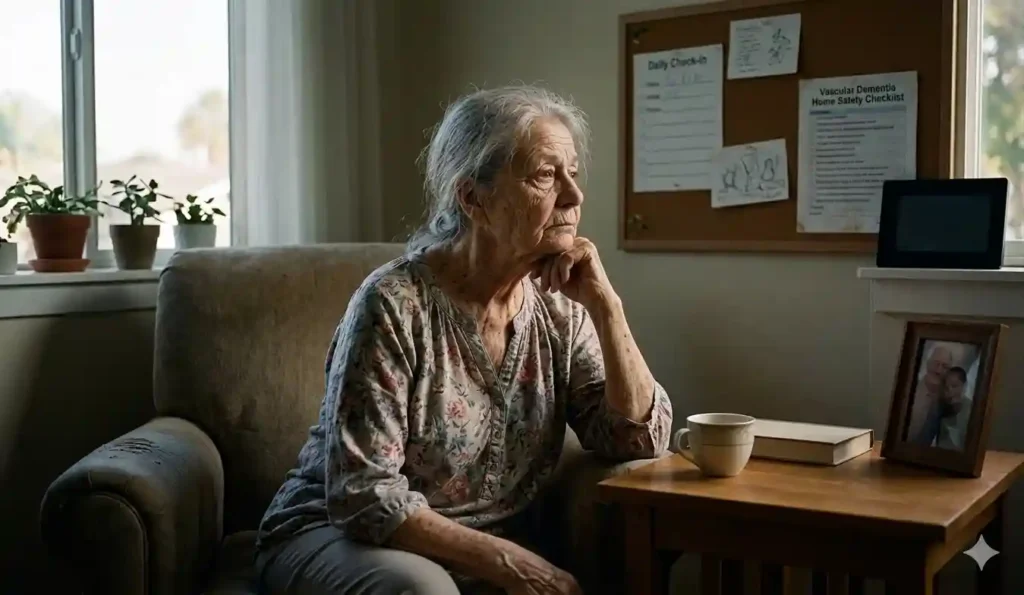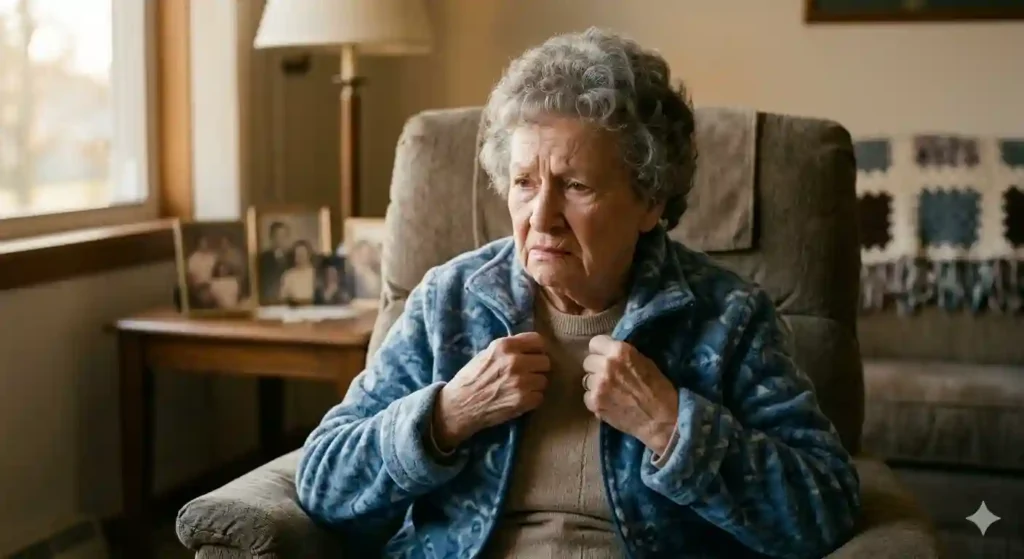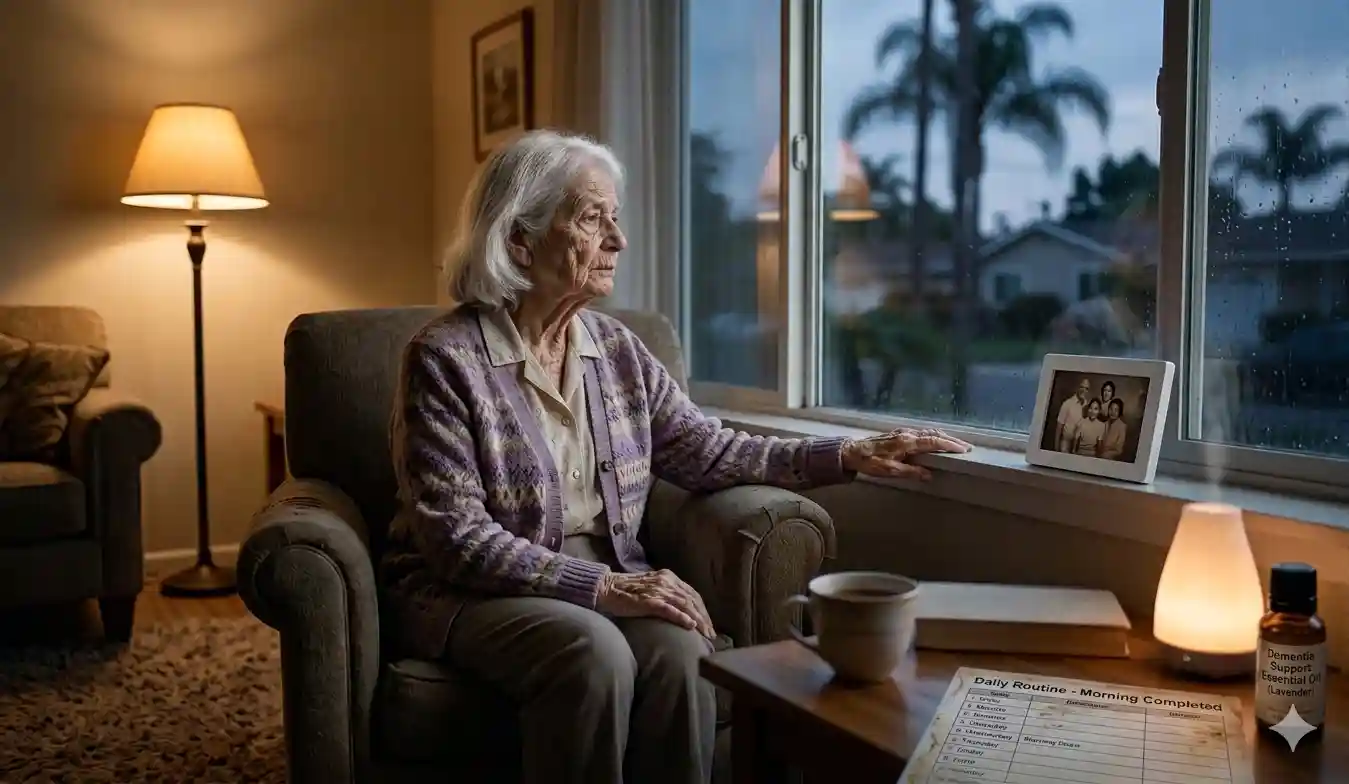
For family caregivers, the late afternoon can bring a distinct sense of dread. You may notice that as the sun begins to set, a loved one who was calm and cooperative all morning suddenly transforms. They may become pacing, anxious, intensely suspicious, verbally aggressive, or fixated on “going home”—even while standing in their own living room.
In the clinical world, this predictable pattern of late-afternoon and early-evening behavioral worsening is known as sundowning (or sundown syndrome).
Sundowning is not a distinct medical diagnosis; rather, it is a complex, multi-faceted symptom associated with Alzheimer’s disease and other forms of dementia. It affects a massive percentage of individuals living with cognitive decline, placing an immense physical and emotional burden on home caregivers.
Managing these behaviors requires shifting away from logic or arguments and moving toward strategic environmental control, circadian rhythm regulation, and compassionate communication. This comprehensive guide provides family caregivers with actionable, clinically grounded strategies to minimize sundowning triggers, de-escalate evening anxiety, and restore peace to the home.
1. The Science of Sundowning: Why Does the Evening Trigger Chaos?
To manage sundowning effectively, caregivers must stop viewing the behavior as intentional stubbornness or manipulation. Sundowning is a direct consequence of physical and neurological changes occurring within the damaged brain.
The Breakdown of the Circadian Rhythm
The human body relies on an internal 24-hour clock known as the circadian rhythm, which dictates sleep-wake cycles, hormone releases, body temperature, and digestion. This clock is controlled by a tiny cluster of cells in the brain’s hypothalamus called the suprachiasmatic nucleus (SCN).
In individuals with Alzheimer’s or vascular dementia, the biological structures of the SCN become progressively damaged. This neural degradation causes the internal clock to malfunction, leaving the senior unable to accurately process the passage of time or sync their biology with daylight and darkness. When the physical environment shifts from afternoon to evening, their scrambled internal clock triggers an inappropriate cocktail of alertness hormones and exhaustion, resulting in profound neurological panic.
Compounding Triggers of Late-Afternoon Distressed Behaviors
Beyond the internal biological clock, several daily factors converge between 4:00 PM and 7:00 PM to spark sundowning episodes:
- End-of-Day Physical Exhaustion: Living with dementia requires immense mental effort. Simply trying to make sense of conversations, environments, and basic tasks drains the brain of energy. By the time late afternoon arrives, the senior is entirely depleted, leaving them with zero cognitive resilience to manage minor stressors.
- Caregiver Fatigue Transfer: Caregivers are human. By 4:00 PM, you have likely been managing meals, medications, hygiene, and household chores for hours. If you are feeling tense, rushed, or frustrated, your loved one will unconsciously mirror that emotional energy, heightening their own anxiety.
- Shadows and Visual Disorientation: As the angle of natural sunlight shifts in the late afternoon, long, distorted shadows stretch across rooms and hallways. To a damaged visual cortex, a simple shadow on the carpet can look like a gaping hole in the floor, or a dark winter coat hanging on a door can look like an intruder, sparking immediate paranoia.
- The “Shift Change” Instinct: Many seniors experiencing sundowning obsess over “going to work” or “getting the kids from school.” This is a deeply rooted subconscious memory of decades spent executing a routine—such as leaving an office or preparing for dinner—at that exact hour. When they feel the instinct to move but cannot figure out why, the resulting confusion manifests as restless pacing.
2. Red Flags: Identifying Sundowning Behaviors
Sundowning presents differently in every individual depending on the type of dementia they manage and their unique personality traits. Recognizing the early, subtle shifts allows you to intervene before the behavior escalates into a full-blown safety crisis.
Behavioral Indicators to Monitor
- Pacing and Aimless Wandering: Walking back and forth along the same hallway, repeatedly checking locks, opening and closing drawers, or hovering near exterior exit doors.
- Verbal Agitation and Shadowing: Asking the exact same question dozens of times in a row, demanding to “go home,” or following you from room to room like a shadow because they are terrified to be left alone.
- Paranoia, Delusions, and Accusations: Suddenly claiming that family members are stealing their belongings, hiding their keys, or planning to abandon them.
- Mood Swings and Emotional Outbursts: Rapidly shifting from a state of quiet apathy to crying spells, sudden fits of anger, or verbal combativeness.
- Rocking or Repetitive Movements: Sitting in a chair and rocking back and forth rhythmically, wringing their hands, or picking constantly at their clothes or skin.
- Combativeness During Personal Care: Resisting necessary evening routines, such as changing into pajamas, brushing teeth, or taking nighttime medications.
3. Circadian Realignment: Lighting and Daylight Protocols
One of the most effective ways to combat sundowning at home is to aggressively support whatever remaining circadian rhythm your loved one possesses. You can achieve this by managing light exposure with absolute precision throughout the day and evening.
Morning and Daytime Light Optimization
To keep the brain’s internal clock anchored, you must signal that daytime is for alertness and activity:
- The Morning Sun Boost: Open all curtains and blinds immediately upon waking. Have your loved one eat breakfast in a sun-drenched room. If the weather permits, take a 15-minute walk outside or sit on a porch together before noon.
- Utilize Light Therapy Boxes: If you live in an area with long, dark winters or your loved one has limited mobility, place a specialized 10,000-lux seasonal affective disorder (SAD) light box on the table next to them for 30 minutes during breakfast. This suppresses melatonin production, boosting mood and daytime alertness.
The Late-Afternoon Environmental Transition
The goal in the late afternoon is to completely eliminate the visual cues of twilight and fading sun. You must trick the brain into thinking it is still bright daytime.
- The 4:00 PM Lockout: Before the sun begins its downward descent, walk through the entire home and close all window blinds, drapes, and shutters. This prevents your loved one from watching the sky darken, which is a major environmental trigger for evening panic.
- Flood the Interior with High-Quality Illumination: Turn on every overhead light, lamp, and sconce in the high-traffic areas of the home. Switch your lightbulbs to high-lumen, “cool daylight” LED bulbs. Eliminating dark corners and long shadows removes the visual distortions that cause scary hallucinations.
- Transition to Ambient Warmth at Bedtime: Keep the home brightly lit until it is explicitly time for sleep. When bedtime arrives, drop the illumination levels sharply to warm, low-wattage lighting to signal that it is finally safe to rest.
4. Structuring the Day: Activity and Rest Modification
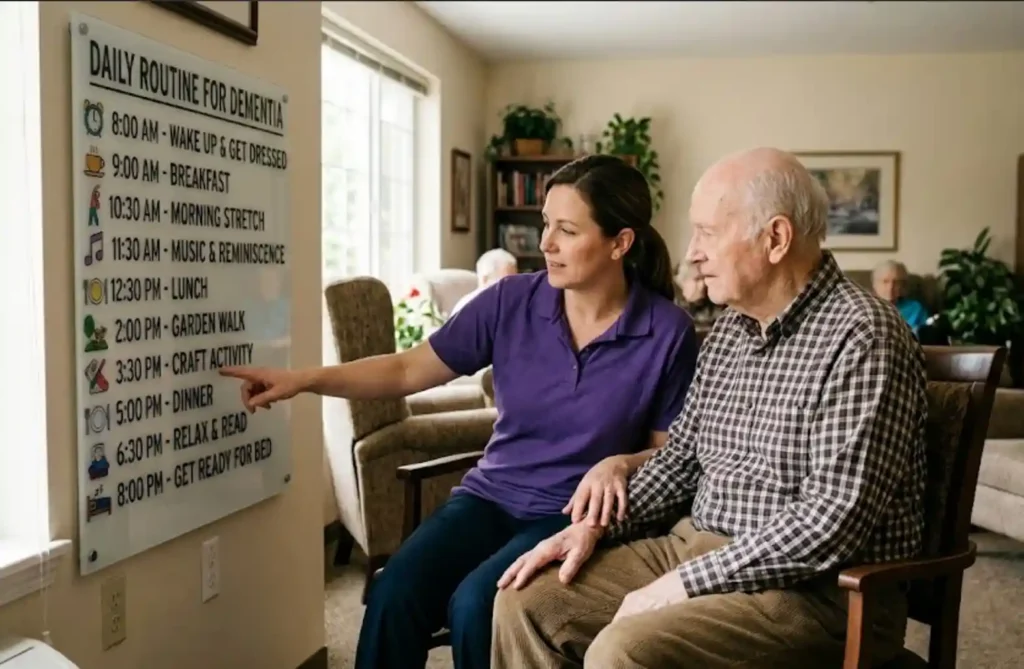
A chaotic, unpredictable schedule leaves a dementia-damaged brain in a constant state of fight-or-flight. To minimize late-afternoon burnout, you must structure their daily timeline with military precision.
Activity Mapping: Front-Load the Heavy Lifting
Review your loved one’s current schedule and move all high-stress, physically demanding, or cognitively exhausting tasks to their peak energy window—which is almost always the morning.
MORNING (Peak Energy)      --> Doctor Visits, Bathing, Physical Therapy, Exercise
EARLY AFTERNOON (Transition) -> Light Walk, Lunch, Brief Rest (Under 30 Mins)
LATE AFTERNOON (Sundown)   -> Low-Stimulus Activities, Soft Music, Closed Blinds
EVENING (Bedtime Prep)     --> Warm Bath, Light Meal, Low-Wattage Warm Lighting
- Schedule Grooming and Bathing for the Morning: Bathing is a highly complex sensory experience that frequently triggers anxiety. Doing this at 9:00 AM when their energy reserves are full prevents the evening catastrophic reactions that happen if you try to force a shower at 5:00 PM.
- Complete Out-of-Home Travel Early: Arrange all doctor appointments, grocery store trips, or physical therapy sessions before lunch.
- The Nap Rule (The Under-30-Minute Boundary): While a brief afternoon rest can recharge an exhausted brain, allowing a senior with dementia to sleep for two or three hours at 2:00 PM will completely destroy their nighttime sleep architecture. This leads to severe midnight waking, wandering, and intense evening sundowning. Keep naps restricted to a single 20-to-30-minute power rest before 1:00 PM.
5. Nutrition and Hydration Strategies for Late-Afternoon Calming
What goes into your loved one’s body plays a monumental role in their neurological stability as the day concludes. Minor digestive discomforts, blood sugar crashes, or mild dehydration can easily manifest as behavioral outbursts because the senior lacks the communication skills to say, “My stomach hurts” or “I am thirsty.”
Dietary Modifications to Implement
Eliminate Hidden Stimulants
Enforce a strict no-caffeine policy after 12:00 PM. Be hyper-vigilant about hidden caffeine sources, including dark chocolate, certain flavored sodas, and over-the-counter pain relievers (like Excedrin).
Flip the Meal Scale
Make breakfast and lunch the largest, most nutrient-dense meals of the day. Serve a significantly lighter, easily digestible meal for dinner. Digesting a heavy, greasy, or massive meal requires significant blood flow to the gut, which can cause physical discomfort and disrupt sleep. (Learn about Easy-to-Prep Meals for Older Adults.)
Eliminate Late Sugar Surges
Avoid serving sugary desserts, ice cream, cookies, or sweet juices in the late afternoon. The resulting blood sugar spike provides an artificial burst of chaotic physical energy, followed by a harsh glucose crash that triggers intense irritability and agitation.
The Role of Hydration Management
Dehydration is a massive, hidden trigger for sudden confusion and delirium in older adults. However, if you give a senior a massive glass of water at 7:00 PM, you ensure they will wake up multiple times during the night to use the bathroom, increasing their fall risk and midnight disorientation.
- Front-Load Fluid Consumption: Keep a water pitcher or flavored hydration cups next to their chair all morning and early afternoon. Aim to hit 80% of their fluid targets before 4:00 PM.
- Implement the Late-Afternoon Sip Protocol: After 5:00 PM, switch to offering tiny, frequent sips of fluid rather than full glasses. This keeps the throat moist without over-activating the bladder during the night.
6. De-Escalation Techniques: How to Respond to Sundowning Agitation
When a sundowning episode hits, your immediate behavioral response as a caregiver dictates whether the crisis defuses safely or escalates into a dangerous confrontation. You must consciously override your instinct to correct, argue, or apply logic.
The Golden Rule: Never Validate the Error, But Always Validate the Emotion
If a senior with advanced dementia is crying at 5:00 PM because they insist they must “go pick up my mother from work” (even though their mother passed away decades ago), pointing out the historical reality will destroy their trust. Their brain is incapable of processing your correction. To them, you are lying, hiding information, or keeping them prisoner.
Instead, use a three-step clinical approach: Validate, Redirect, and Distract.
[ SENIOR CRISIS ] -> "I need to go home right now! My mother is waiting for me!"
       |
       v
1. VALIDATE    --> "I hear you, Mom. You love your mother and want to make sure she's safe."
       |
       v
2. REDIRECT    --> "The buses aren't running right now because it's late. Let's wait here."
       |
       v
3. DISTRACT    --> "While we wait, could you help me fold these towels? I could really use your help."
Step 1: Validate the Emotion
Acknowledge the core feeling behind their panicked words.
- Do not say: “Your mother died twenty years ago, and you already are home.”
- Instead, say: “I hear you, Mom. You love your mother very much, and you want to make sure she is completely safe and taken care of. You are a wonderful daughter.”
Step 2: Provide a Compassionate, Safe Delay (Redirect)
Create a logical, non-confrontational reason why they cannot execute their panicked goal immediately. Keep your voice dropped an octave, smooth, and deliberately slow.
- Say: “The offices are completely closed for the evening, and the transit buses aren’t running right now because it’s getting dark. We are safely checked into this lovely hotel for the night. Let’s wait here together until morning.”
Step 3: Pivot to a High-Dignity Meaningful Task (Distract)
Immediately follow your validation with a high-interest distraction that makes them feel useful, needed, and secure. Avoid childish toys; opt for tasks that utilize long-term muscle memory.
- Say: “While we wait for the offices to open tomorrow, I am feeling incredibly overwhelmed with these kitchen chores. Could you help me fold these warm towels? I could really use your expertise.”
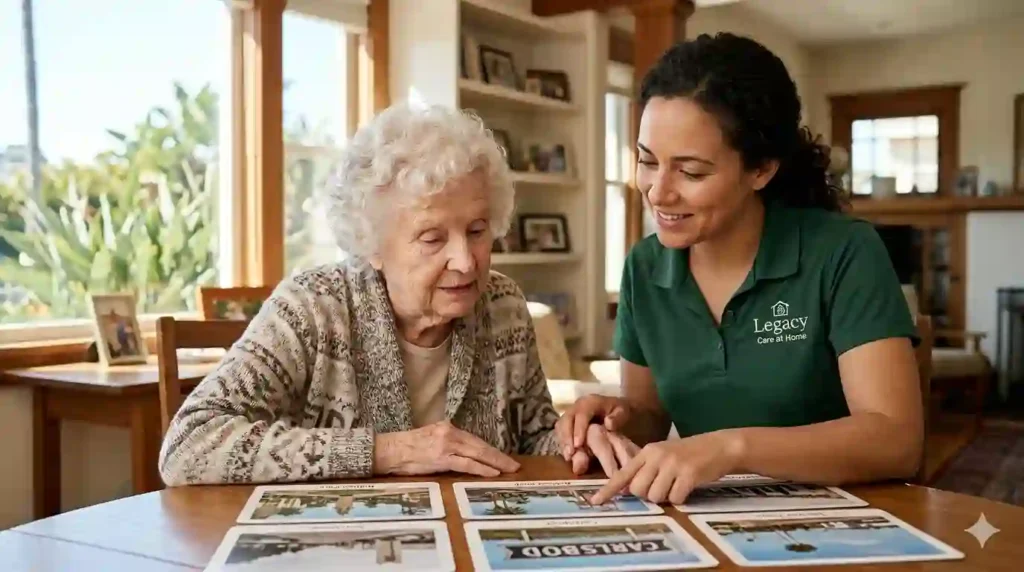
- Alternative Distractions: Handing them a bucket of warm water and a cloth to wipe down a wooden table, sorting a deck of playing cards by color, rolling balls of yarn, or looking through an old family photo album filled with pictures from their teenage years.
7. Sensory and Integrative Therapies: Creating a Calming Evening Sanctuary
To offset the sensory confusion that fuels sundowning, you can introduce specialized, integrative soothing modalities into your late-afternoon routine to naturally suppress the nervous system’s fight-or-flight response.
1. Music Therapy: The Power of Long-Term Audio Memory
Music is processed in a wide network across the brain, meaning that even in advanced stages of neurodegeneration, musical memory remains beautifully intact.
- The Selection Strategy: At 4:00 PM, turn off the television completely (news programs, action movies, and loud commercials can easily be misinterpreted as a real-world threat occurring right in the living room). Replace it with a personalized playlist of music from their specific formatting years—typically songs that were popular when they were between the ages of 15 and 25. Whether it’s Big Band jazz, 1950s rock-and-roll, or classic hymns, these familiar rhythms act as a deep neurological anchor.
- Keep the Volume Consistent: Play the music softly in the background throughout the high-risk sundown window.
2. Aromatherapy and Essential Oils
Olfactory stimulation travels directly to the brain’s emotional center (the limbic system), bypassing damaged cognitive processing regions.
- Utilize Calming Essences: Introduce high-grade lavender, bergamot, or chamomile essential oils via an ultrasonic cool-mist diffuser starting at 4:00 PM. Clinical studies have shown that consistent exposure to lavender oil can measurably decrease physical agitation and pacing behaviors in dementia patients.
- Avoid Safety Hazards: Never use open-flame scented candles or plug-in warmers containing hot wax, as a restless senior can easily tip them over or attempt to consume the scented fluids.
3. Weighted Therapy and Comfort Objects
Physical pressure can soothe a hyper-reactive nervous system, similar to how swaddling calms a crying infant.
- Weighted Lap Blankets: Place a 5-to-7-pound weighted blanket across your loved one’s lap while they rest in their favorite evening chair. This deep-pressure stimulation promotes serotonin production and reduces the physical urge to pace aimlessly.
- Anatomical Comfort Items: Many seniors with advanced dementia find immense comfort in holding a realistic, weighted baby doll or a plush companion animal. This taps into their deeply ingrained caregiving instincts, giving their hands something safe to hold and directing their focus away from exiting the home.
8. Medical Management: When to Involve the Care Team
If you have systematically optimized your home’s lighting, structured a predictable daily routine, adjusted their diet, and used emotional validation techniques, yet your loved one remains aggressively agitated, combativeness continues, or they are endangering themselves by breaking out of the home, it is time to consult your medical support network.
Step 1: Rule Out a Urinary Tract Infection (UTI)
Before assuming that an increase in evening agitation is simply “the dementia progressing,” schedule an immediate medical evaluation to check for a Urinary Tract Infection (UTI).
In older adults, an infection does not typically present with the classic symptoms like localized pain or a high burning fever. Instead, due to systemic inflammation crossing an already vulnerable blood-brain barrier, a UTI manifests as a sudden, explosive spike in mental confusion, vivid hallucinations, aggressive combativeness, and severe sundowning behaviors. Treating the underlying infection with a course of antibiotics will frequently return the senior to their baseline mental state within a few days.
Step 2: Meticulously Audit Medications with a Pharmacist
Schedule a comprehensive medication review with your loved one’s primary care physician or geriatric psychiatrist.
- Review the timing of their current prescriptions. Certain cognitive enhancers (like Aricept / donepezil) can cause vivid dreams or mild sleep disruptions if administered too late in the evening. Moving these medications to the morning can provide rapid relief.
- Inquire about the careful, low-dose introduction of targeted neuro-psychiatric medications if behaviors remain unmanageable. This may include a low dose of melatonin to help realign their sleep-wake cycles, or carefully monitored medical options to manage severe evening paranoia and physical aggression.
9. The Definitive 24-Hour Sundowning Prevention Checklist
Print or save this actionable daily protocol checklist to ensure your home care environment remains optimized for maximum peace, predictability, and evening safety.
Morning Phase (Anchor the Circadian Clock)
- [ ] 7:30 AM – Light Flood: Are all curtains, blinds, and drapes pulled wide open immediately upon waking?
- [ ] 8:00 AM – Nutritional Load: Is a hearty, protein-rich breakfast served under bright interior or natural daylight conditions?
- [ ] 9:30 AM – Stressful Tasks Completed: Have high-stress routines like bathing, dressing, or scheduled doctor visits been fully completed before noon?
- [ ] 10:30 AM – Activity Window: Has the senior engaged in a light physical walk, chair exercises, or received direct natural sunlight exposure?
Afternoon Phase (Transition and Prep)
- [ ] 12:00 PM – Main Meal: Is the largest, most calorie-dense meal served at lunchtime?
- [ ] 12:30 PM – Caffeine Cutoff: Are all caffeinated beverages, teas, and hidden stimulants completely eliminated for the rest of the day?
- [ ] 1:00 PM – The Nap Boundary: If a nap is taken, is it strictly limited to under 30 minutes to preserve nighttime sleep quality?
- [ ] 3:30 PM – Fluid Limit Transition: Are large glasses of liquid transitioned to frequent, tiny sips to protect the bladder during the night?
Late-Afternoon Sundown Phase (The Lockdown Window)
- [ ] 4:00 PM – Visual Lockout: Are all window blinds, drapes, and shutters fully closed before twilight begins to fall?
- [ ] 4:15 PM – Flood the Lights: Are all overhead daylight-spectrum LED lights and floor lamps turned completely on to eliminate floor shadows?
- [ ] 4:30 PM – Media Blackout: Is the television fully turned off to avoid scary background noises or confusing news broadcasts?
- [ ] 4:45 PM – Sensory Calm: Is an essential oil diffuser running lavender or chamomile, and is nostalgic background music playing softly?
- [ ] 5:30 PM – Dignity Task Intervention: Is the senior engaged in a repetitive, long-term memory task (e.g., folding laundry, sorting cards) to channel physical restlessness?
Evening Phase (Wind Down)
- [ ] 6:30 PM – Light Supper: Is a light, easily digestible evening meal served free of processed sugars or heavy fats?
- [ ] 8:00 PM – Soft Lighting Shift: Are bright daylight LED lights switched over to soft, warm, low-wattage lighting to promote natural sleep prep?
- [ ] 8:30 PM – Safety Check: Are all exterior doors securely locked, paths to the bathroom lit with motion-activated nightlights, and a weighted blanket ready for bed?
Conclusion: Balancing Patience with Strategy
Caring for a loved one who experiences sundowning is an act of profound dedication. It requires you to completely let go of our logical world and enter theirs with absolute grace, empathy, and flexibility. When your parent becomes anxious as night falls, they aren’t trying to make your life difficult; they are a terrified passenger inside a brain that can no longer find its anchors.
By treating meal times, home environments, lighting transitions, and communication strategies as structured medical protocols, you can cut through the chaos of late-afternoon syndrome. Building a highly predictable, peaceful environment doesn’t just reduce dangerous wandering and distressing behaviors; it protects your loved one’s remaining autonomy, preserves their dignity, and restores a sense of quiet security to your home.