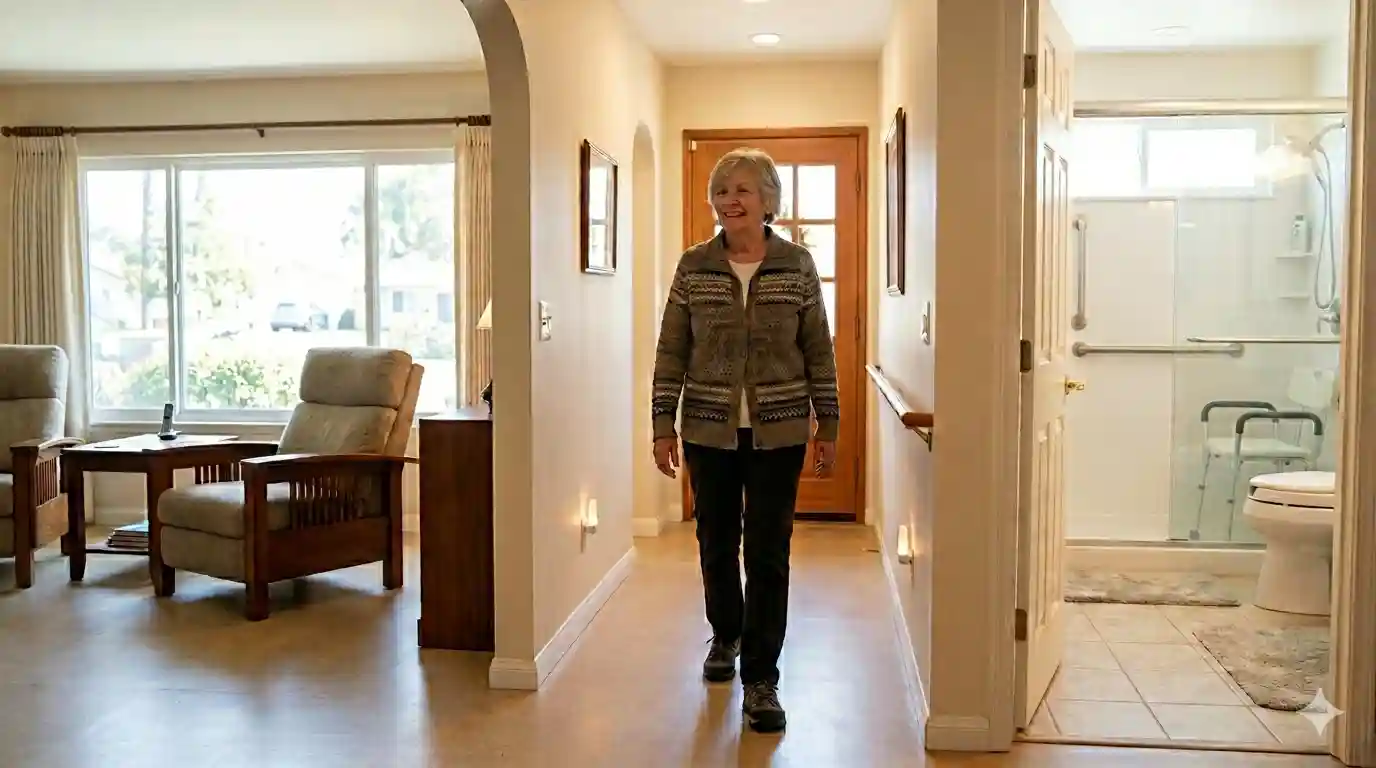
Falls are not an inevitable part of aging, yet they represent one of the most significant threats to the independence, health, and longevity of older adults. For families in San Diego and across the country, a single fall can instantly alter a senior’s life, turning an independent lifestyle into a complex journey through medical treatments, physical therapy, and transitional care.
According to data from the Centers for Disease Control and Prevention (CDC), millions of older adults fall each year, making falls the leading cause of both fatal and non-fatal injuries among individuals aged 65 and older. The financial and emotional toll is immense, but there is a reassuring reality: the vast majority of home falls are entirely preventable.
Most residential falls are not caused by a single factor, but rather by a combination of physical hazards and environmental conditions that go unnoticed. This comprehensive, room-by-room guide breaks down the hidden risks throughout the home and provides an actionable, evidence-based checklist to help you secure your loved one’s living spaces, preserve their autonomy, and build a lasting environment for aging in place.
1. The Anatomy of a Home Fall: Risks and Realities
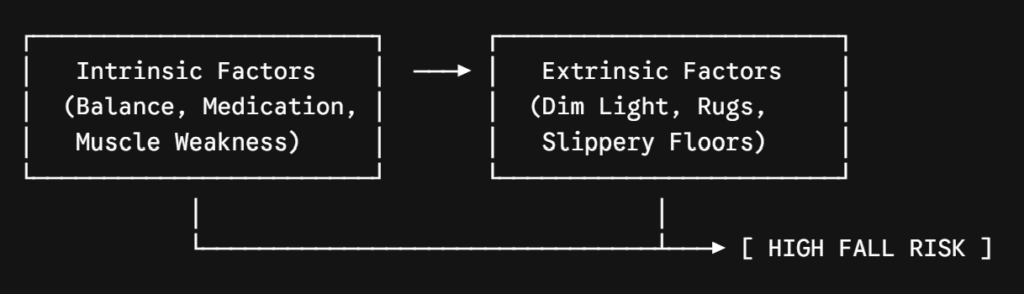
To build a reliable defense against falls, it helps to understand why they happen. Fall risks are generally categorized into two distinct areas:
- Intrinsic Factors: Internal elements related to the individual, such as age-related changes in vision, chronic medical conditions (like Parkinson’s disease, osteoarthritis, or neuropathy), lower-body weakness, poor balance, and the side effects of certain medications (including blood pressure drugs, sedatives, or polypharmacy—taking multiple medications concurrently).
- Extrinsic Factors: Environmental hazards within the living space, such as dim lighting, loose throw rugs, cluttered walkways, slippery surfaces, and the lack of supportive structures like handrails or grab bars.
When an intrinsic vulnerability (like mild balance instability) encounters an extrinsic hazard (such as a loose rug or a dark hallway), the risk of a fall increases exponentially.
By systematically identifying and removing environmental hazards, you create a buffer that protects seniors, even when they experience fluctuations in physical strength or cognitive awareness.
2. Entranceways, Porches, and Exterior Walkways to Prevent Falls at Home
Fall prevention begins before anyone steps through the front door. Changes in elevation, weather conditions, and uneven exterior surfaces make entryways a frequent site for balance mishaps.
Exterior Lighting Upgrades
The transition from bright afternoon sunlight to a dim indoor entryway can cause temporary visual impairment for aging eyes, which adjust more slowly to changes in light.
- Action: Install high-output, motion-activated LED exterior floodlights above all entry doors, steps, and pathways. Ensure walkway lighting points downward toward the ground to eliminate long shadows that can trick a senior’s depth perception.
- Measurement: Walkways should have clear illumination of at least 50 lux (a standard metric for lighting intensity) to ensure visibility after dusk.
Step and Threshold Modifications
Even a tiny threshold rise of half an inch can catch the toe of a shoe, a cane, or a walker.
- Action: Inspect concrete paths for cracks, shifting soil, or tree roots that create uneven joints. Apply highly visible, slip-resistant outdoor tape (or a contrasting outdoor paint) along the front edge of all concrete steps to mark exactly where the level drops.
- Action: For doorways with a raised sill, install a low-profile rubber threshold ramp to create a smooth, gradual incline for walkers and wheelchairs.
Porch Handrails and Support
- Action: Ensure every exterior stairway with more than two steps has sturdy, continuous handrails extending along both sides. Handrails must be securely bolted into wall studs or concrete anchor points, capable of supporting a load weight of at least 250 pounds.
3. Foyer, Hallways, and High-Traffic Walkways
Once inside, the main corridors of the house should function as clear, obstacle-free paths. Hallways are often transition points where seniors carry items or move quickly, making spatial clarity essential. [A Room-by-Room Home Safety Assessment]
Floor Finishes and the Hazard of Throw Rugs
Beautiful hardwood, polished stone, or slick tile floors can become hazardous under smooth-soled socks or slippers.
- Action: Remove all decorative throw rugs and area rugs entirely. If a family member insists on keeping a large area rug, it must be secured to the subfloor using a heavy-duty, double-sided rug tape or an industrial-strength, non-slip rubber underlayment. The edges must sit completely flat against the surrounding floor.
- Action: Avoid using high-gloss floor waxes or slick cleaning solutions that leave a residue, turning a dry floor into a slippery surface.
Walkway Clearance and Traffic Patterns
- Action: Keep all major walking paths completely clear of clutter. Relocate low-profile furniture like coffee tables, plant stands, magazine racks, and decorative floor vases away from high-traffic paths.
- Action: Reroute all electrical cords, phone lines, and device chargers behind furniture or along baseboards using cord clips. Never run an extension cord underneath a rug or across an open doorway.
Continuous Hallway Lighting
- Action: Install automatic, light-sensing plug-in LED nightlights every 6 to 8 feet along all hallways and corridors.
- Action: Upgrade standard toggle light switches to rocker-style smart switches, or install motion-activated overhead fixtures that turn on automatically when a senior steps out of a room.
4. The Living Room and Common Gathering Areas to Prevent Falls at Home
The living room is a space for relaxation, but poorly configured seating arrangements, low furniture heights, and subtle floor transitions can introduce unexpected balance challenges.
Sofa and Chair Ergonomics
Deep, plush sofas and low-slung armchairs can feel comfortable, but they require significant core and lower-body strength to exit safely. Seniors with limited mobility often struggle to stand up from these seats, leading to lost balance or sudden drops back down.
- Action: Choose chairs with a firm seat cushion, a straight backrest, and solid, extended wooden or metal armrests that provide leverage when pushing upward.
- Action: Ensure the seat height sits at least 18 to 20 inches above the floor. If an existing chair is too low, install secure furniture risers under the legs to raise the frame safely. Avoid furniture with swivel bases or wheels.
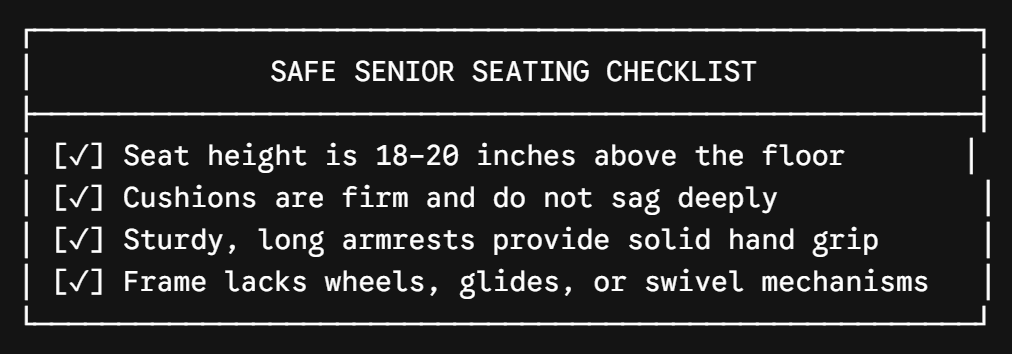
Table and Remote Access
- Action: Arrange end tables closely alongside favorite seating areas so that reading glasses, water cups, phones, and television remotes sit within arm’s reach. This prevents the senior from leaning forward or stretching awkwardly, which can displace their center of gravity.
Managing Media Clutter
- Action: Consolidate entertainment center equipment to minimize exposed wiring. Ensure electronic components are tucked away, and paths to televisions or windows remain completely unobstructed.
5. The Kitchen: Reaching, Cooking, and Spill Management
Kitchens demand complex movements—including standing for long periods, bending over to reach low appliances, and lifting heavy cookware. Combined with smooth flooring, these activities require a focus on accessibility and prompt maintenance.
Strategic Cabinet Organization
- Action: Reorganize all kitchen cabinets and pantries to place frequently used items (such as plates, cups, heavy pots, and everyday pantry items) on shelves located between waist and chest height.
- Action: Move rarely used baking dishes, holiday platters, and seasonal small appliances to top shelves or low base cabinets.
- Action: Eliminate the use of step stools. If an item cannot be reached without standing on a stool or chair, it should be moved to a lower, safer location.
Flooring Selections and Spill Response
- Action: Kitchen tiles can become incredibly slick when wet from a stray ice cube, a dishwashing splash, or dropped food. Place low-profile, rubber-backed, washable mats directly in front of the kitchen sink and the refrigerator doors to catch water droplets instantly.
- Action: Keep a microfiber mop or an absorbent towel nearby so spills can be wiped up immediately.
Lighting and Task Visibility
- Action: Install bright, under-cabinet LED strip lighting to illuminate countertops, cutting boards, and stovetops. Clear visibility helps reduce eye strain and ensures that objects, utensils, and liquids are easily spotted.
6. The Bathroom: Managing Slippery Surfaces and Moisture
Statistically, the bathroom is the most hazardous room in the home for older adults. The combination of slick porcelain surfaces, soapy water, high humidity, and physical transitions creates a high-risk environment for slips and falls.
The Critical Role of Professionally Installed Grab Bars
Towel racks, shower door frames, and wall-mounted soap dishes are not designed to support a person’s body weight. If a senior loses their footing and grabs one of these fixtures, it can pull away from the wall, worsening the fall.
- Action: Install heavy-duty, ADA-compliant stainless steel grab bars with a textured grip surface.
- Placement:
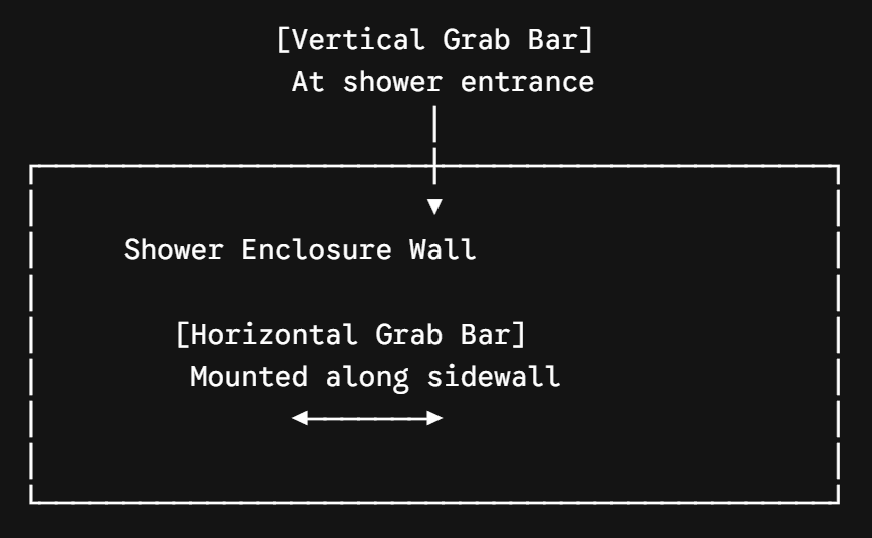
- Mount at least one vertical grab bar at the entrance point of the tub or shower stall to support stepping over the threshold.
- Mount a long, horizontal or angled grab bar along the interior sidewall of the shower to assist with standing and shifting weight.
- Mount a grab bar directly adjacent to the toilet to assist with sitting down and standing up.
- Installation: Grab bars must be securely anchored into solid wall studs using heavy-duty wood screws, or mounted using specialized toggle anchors rated to hold at least 250 pounds of pull force.
Shower Chairs and Elevated Commodes
- Action: For seniors with low physical stamina or balance challenges, place a heavy-duty, non-slip aluminum shower chair or bench inside the stall. Combine this with a handheld showerhead attachment so they can bathe comfortably while seated, eliminating the need to stand on soapy surfaces.
- Action: Install an elevated toilet seat riser (which adds 4 to 6 inches of height) or replace the existing toilet with a comfort-height commode. This modification reduces the strain on knees and hips during transitions.
Non-Slip Treads and Bath Mats
- Action: Apply commercial-grade, self-adhesive non-slip safety textures or specialized safety decals across the entire floor surface of the bathtub or shower pan.
- Action: Replace traditional, fluffy cloth bath mats outside the shower with ultra-low-profile, quick-drying rubber mats that stay anchored to the floor and will not curl at the edges.
7. The Bedroom: Safe Transitions and Nighttime Mobility
Many falls occur during the middle of the night or early morning hours, when a senior is groggy, disoriented, or rushing to the bathroom to manage sudden urgency.
Optimizing Bed Height for Safe Transfers
- Action: A bed that is too high or too low makes sitting down or standing up difficult. The ideal bed height allows the senior to sit comfortably on the edge of the mattress with both feet resting flat on the floor, keeping their knees bent at a clean 90-degree angle.
- Adjustment: Swap out a tall box spring for a low-profile alternative, adjust the bed frame height, or add a supportive bed rail to provide a firm leverage point for transfers.
Dedicated Nighttime Walkways
- Action: Ensure the path from the bed to the master bathroom is entirely direct, wide, and clear of obstacles like slippers, clothing, or hampers.
- Action: Install motion-activated, under-bed LED lighting strips. These low-intensity lights glow softly along the floor line when the senior places their feet on the ground, illuminating the walkway without causing harsh glare that could disrupt their vision.
Bedside Setup and Communication Access
- Action: Keep a sturdy nightstand at mattress height. This table should hold a functional lamp, a fully charged cell phone or personal emergency response system (PERS) pendant, reading glasses, and any immediate medications. A reliable light source within arm’s reach ensures a senior never has to fumble around in total darkness.
8. Stairways: Maximizing Structural Safety and Visibility to Prevent Falls at Home
Stairways present an elevated safety risk in residential settings. A fall on a flat surface can cause injury, but a fall down a flight of stairs often carries severe medical consequences.
Handrail Enhancements
- Action: Stairways must have robust, unbroken handrails running continuously down both sides, from the top step to the bottom landing. The handrail profile should be rounded and slim enough to allow the senior’s hand to wrap completely around it for a secure grip.
- Maintenance: Inspect the brackets regularly to ensure there is no looseness or play in the structure.
Improving Step Visibility and Lighting
- Action: Install dedicated, bright overhead lighting at both the top and the bottom of the staircase, connected to dual three-way switches. This configuration ensures the senior can light the entire path before changing levels.
- Action: If the steps are carpeted, ensure the carpet is pulled tight against the treads and risers, with absolutely no loose edges or sagging spots. For bare wooden stairs, apply a strip of high-contrast tape or non-slip adhesive treads along the nose of each step to define the edge of the platform clearly.
9. Home Safety Checklist to Prevent Falls at Home
To help you audit your loved one’s living environment, this master checklist condenses the room-by-room safety steps into an easy-to-use reference tool.
| Home Zone | Specific Safety Check Item | Completed? | Immediate Action Required / Notes |
| Exterior | Motion-activated LED floodlights installed at entryways | [ ] | |
| Exterior | Sidewalk cracks and uneven concrete surfaces leveled | [ ] | |
| Exterior | Contrasting safety tape applied to outdoor step edges | [ ] | |
| Hallways | All loose area rugs and decorative mats removed | [ ] | |
| Hallways | Automatic, light-sensing nightlights spaced 6-8 feet apart | [ ] | |
| Hallways | Electrical cords secured cleanly along baseboards | [ ] | |
| Living Room | Chairs sit at a 18-20 inch height with firm cushions | [ ] | |
| Living Room | Frequently used items placed on reachable end tables | [ ] | |
| Kitchen | Daily items moved to shelves between waist and chest height | [ ] | |
| Kitchen | Rubber-backed non-slip mats placed at sink and fridge | [ ] | |
| Bathroom | Textured, stainless steel grab bars anchored into wall studs | [ ] | |
| Bathroom | Elevated toilet seat or comfort-height commode installed | [ ] | |
| Bathroom | Non-slip textured decals applied to tub or shower basin | [ ] | |
| Bedroom | Bed height adjusted so feet rest flat at a 90-degree angle | [ ] | |
| Bedroom | Clear, unhindered nighttime pathway to the bathroom | [ ] | |
| Stairs | Continuous handrails installed along both sides | [ ] | |
| Stairs | High-contrast visual markers applied to step edges | [ ] |
10. Behavioral and Lifestyle Strategies to Prevent Falls at Home
While modifying the home environment is crucial, managing the physical aspects of fall prevention completes a comprehensive safety plan. Environmental changes work best when paired with healthy lifestyle habits.
Comprehensive Medication Reviews
Many medications carry potential side effects like dizziness, mild confusion, or sudden drops in blood pressure (orthostatic hypotension) when moving from a sitting to a standing position.
- The Strategy: Request a comprehensive medication review with your loved one’s primary care physician or a licensed pharmacist at least once a year. Ask them to look closely for duplicate prescriptions, potential drug interactions, or high-risk medications that could be safely swapped for alternatives with fewer sedating side effects.
Keeping Up with Vision and Hearing Care
- The Strategy: Schedule annual comprehensive eye exams to ensure prescription lenses are correct. It is worth noting that while bifocal or trifocal lenses are helpful for reading, they can distort depth perception when looking down at stairs or curbs. Speak with the optometrist about getting a dedicated pair of single-vision distance glasses specifically for walking outside or navigating stairways. Regular hearing evaluations are also important, as the inner ear plays an essential role in maintaining balance and spatial orientation.
Functional Strength and Balance Exercise Programs
Inactivity can lead to muscle atrophy and reduced joint flexibility, which impacts overall stability.
- The Strategy: Encourage participation in evidence-based senior fitness programs. Activities like Tai Chi are excellent for improving core strength, flexibility, coordination, and proprioception (the body’s natural awareness of its position in space). Structured balance exercises, under the guidance of a physical therapist or certified senior fitness coach, help build lower-body strength and increase stability.
Conclusion: How to Prevent Falls at Home
Securing a home against falls does not mean compromising on comfort or style. By implementing these systematic updates—such as removing trip hazards, upgrading lighting, and adding sturdy grab bars—you transform a home into a safe, reliable environment for aging in place.
If managing these home updates or supervising daily mobility feels overwhelming, remember that you do not have to handle it alone. Professional home care agencies specialize in conducting comprehensive home safety audits, identifying subtle risks, and providing experienced caregivers to support daily activities, transfers, and exercise routines. [10 Questions You Must Ask When Interviewing In-Home Care Agencies in San Diego]
Taking proactive safety steps today protects your loved one’s independence, prevents avoidable emergencies, and provides your family with lasting peace of mind.